
Benefits of Intermittent Fasting You Need to Know
Explore the top benefits of intermittent fasting, from weight loss to improved health, and find out why you should consider giving it a try today!

Intermittent fasting has become one of the most popular health and wellness trends in recent years, and for good reason. Unlike traditional diets that focus on what you eat, intermittent fasting focuses on when you eat. By cycling between periods of eating and fasting, many people have experienced improvements in weight management, energy levels, and overall health.
Whether you're looking to lose weight, improve your metabolism, or simply adopt healthier eating habits, understanding the benefits of intermittent fasting can help you decide if it's right for you.
What Is Intermittent Fasting?
Intermittent fasting (IF) is an eating pattern that alternates between periods of eating and fasting. Some of the most common methods include:
16/8 Method: Fast for 16 hours and eat within an 8-hour window.
5:2 Diet: Eat normally for five days and significantly reduce calorie intake on two non-consecutive days.
Alternate-Day Fasting: Alternate between regular eating days and fasting or very low-calorie days.
Eat-Stop-Eat: Involves a 24-hour fast once or twice a week.
The goal is not necessarily to reduce food intake drastically but to give the body regular periods without food, allowing various metabolic processes to occur.
1. Supports Weight Loss and Fat Burning
One of the primary reasons people try intermittent fasting is for weight loss.
During fasting periods, insulin levels decrease, encouraging the body to use stored fat for energy. Additionally, fasting may increase levels of hormones such as norepinephrine, which can help boost fat breakdown.
How It Helps:
- Reduces overall calorie intake naturally.
- Encourages the body to burn stored fat.
- May improve metabolic flexibility.
- Helps reduce late-night snacking and mindless eating.
Many people find intermittent fasting easier to maintain than traditional calorie-restricted diets because it focuses on timing rather than strict food restrictions.
2. Improves Blood Sugar Control
Intermittent fasting may help improve insulin sensitivity, making it easier for the body to regulate blood sugar levels.
When you eat, your body releases insulin to help transport glucose from the bloodstream into cells. Frequent eating can keep insulin levels elevated, while fasting allows insulin levels to decrease, giving the body a chance to become more responsive to this important hormone.
Potential Benefits:
- Improved insulin sensitivity.
- Reduced blood sugar fluctuations.
- Better metabolic health.
- Lower risk factors associated with type 2 diabetes.
Individuals with diabetes or medical conditions should consult a healthcare professional before beginning any fasting regimen.
3. Promotes Cellular Repair and Longevity
One fascinating benefit of intermittent fasting is its impact on cellular health.
During fasting periods, the body initiates a process known as autophagy, where damaged cells and cellular components are broken down and recycled. This natural cleanup process may help maintain healthier cells and support overall wellness.
Why It Matters:
- Removes damaged cellular material.
- Supports cellular regeneration.
- May contribute to healthy aging.
- Helps maintain optimal cell function.
While research is ongoing, scientists continue to explore the connection between fasting, autophagy, and longevity.
4. Enhances Mental Clarity and Brain Function
Many people report feeling more focused and mentally alert during fasting periods.
Research suggests that intermittent fasting may support brain health by increasing the production of brain-derived neurotrophic factor (BDNF), a protein involved in learning, memory, and cognitive function.
Brain Health Benefits:
- Improved focus and concentration.
- Enhanced mental clarity.
- Better cognitive performance.
- Potential support for long-term brain health.
By reducing blood sugar spikes and crashes, intermittent fasting may also help stabilize energy levels throughout the day, contributing to improved productivity and mental performance.
5. Supports Heart Health
Heart disease remains one of the leading causes of death worldwide, making cardiovascular health a major priority.
Studies suggest that intermittent fasting may positively influence several risk factors associated with heart disease.
Potential Cardiovascular Benefits:
- Improved cholesterol levels.
- Lower triglycerides.
- Reduced blood pressure.
- Better blood sugar regulation.
- Reduced inflammation.
While intermittent fasting is not a substitute for a healthy lifestyle, combining it with nutritious eating habits and regular exercise may provide additional cardiovascular benefits.
Tips for Getting Started with Intermittent Fasting
If you're new to intermittent fasting, consider the following tips:
Start Slowly
Begin with a 12-hour fasting window and gradually increase it as your body adapts.
Stay Hydrated
Drink plenty of water throughout the day. Black coffee, herbal tea, and other non-caloric beverages may also be allowed during fasting periods.
Focus on Nutrient-Dense Foods
When it's time to eat, prioritize:
- Lean proteins
- Fruits and vegetables
- Whole grains
- Healthy fats
- Fiber-rich foods
Listen to Your Body
Fasting should not leave you feeling excessively fatigued or unwell. Adjust your approach if needed and seek medical advice if you have underlying health concerns.
Who Should Avoid Intermittent Fasting?
Intermittent fasting may not be suitable for everyone. Individuals who should consult a healthcare provider before fasting include:
- Pregnant or breastfeeding women
- People with diabetes
- Individuals with eating disorders
- Those taking medications that affect blood sugar
- People with certain chronic medical conditions
A personalized approach is always the safest option.
Final Thoughts
Intermittent fasting offers a range of potential health benefits, from supporting weight loss and blood sugar control to enhancing brain function and promoting cellular repair. While it's not a magic solution, it can be an effective tool when combined with a balanced diet, regular exercise, and healthy lifestyle habits.
As with any dietary change, consistency and sustainability are key. By choosing a fasting schedule that fits your lifestyle and focusing on nutritious foods during eating periods, you can maximize the potential benefits and support your long-term health goals.
The following books will help you learn more about this lifestyle and how to make it work for you.
The Complete Guide to Intermittent Fasting
Shop Now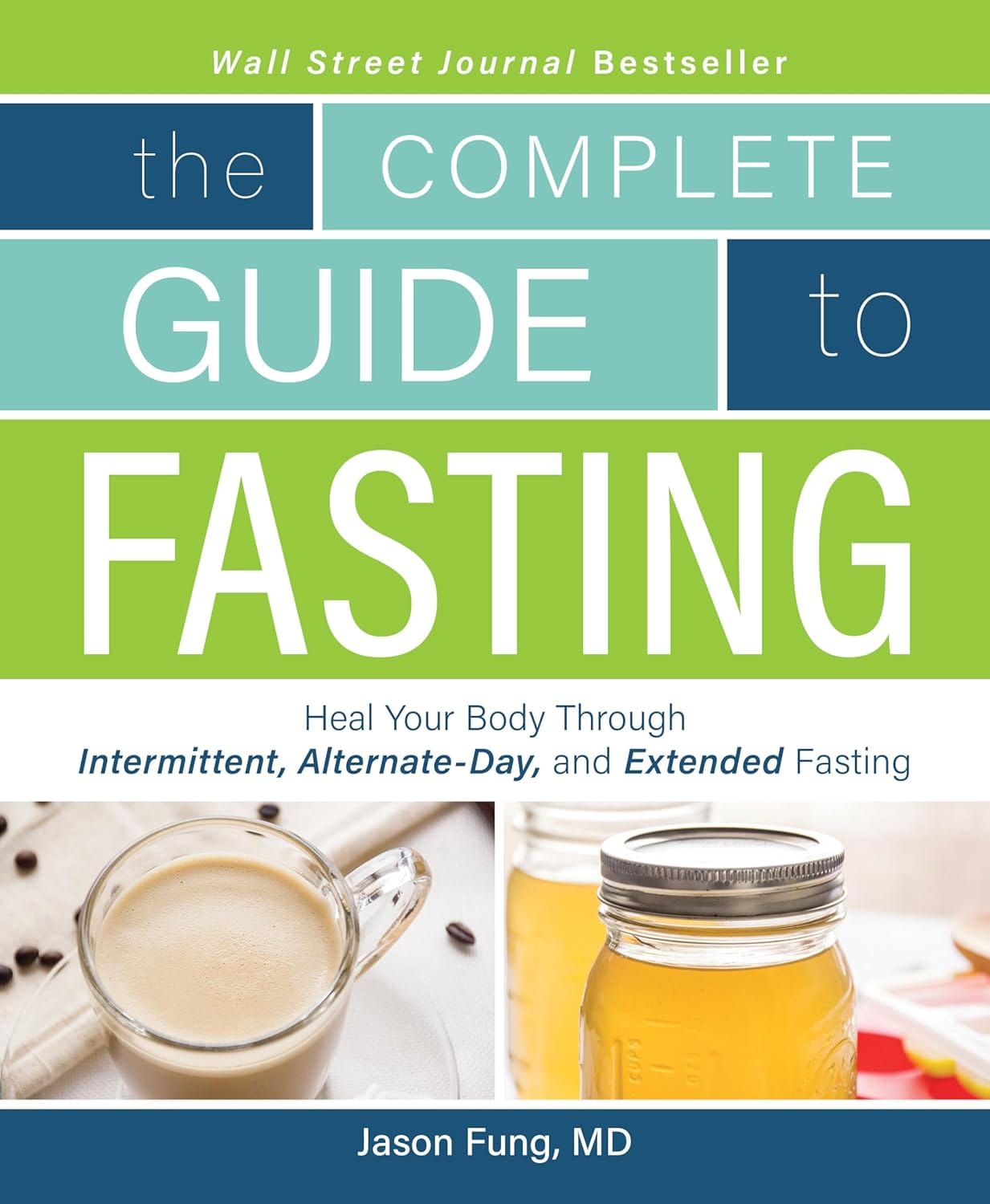
This comprehensive guide provides a detailed overview of intermittent fasting, including its benefits and how to implement it into your lifestyle. With a focus on the science behind fasting, this book is an excellent resource for anyone looking to learn more about this popular approach to healthy living.
Whether you’re new to intermittent fasting or you want to fine-tune your fasting plan, this is the intermittent fasting manual for beginners and experts alike, packed with loads of good information on how to build the right fasting program for the best results.
Sold by Amazon
Intermittent Fasting Transformation
Shop Now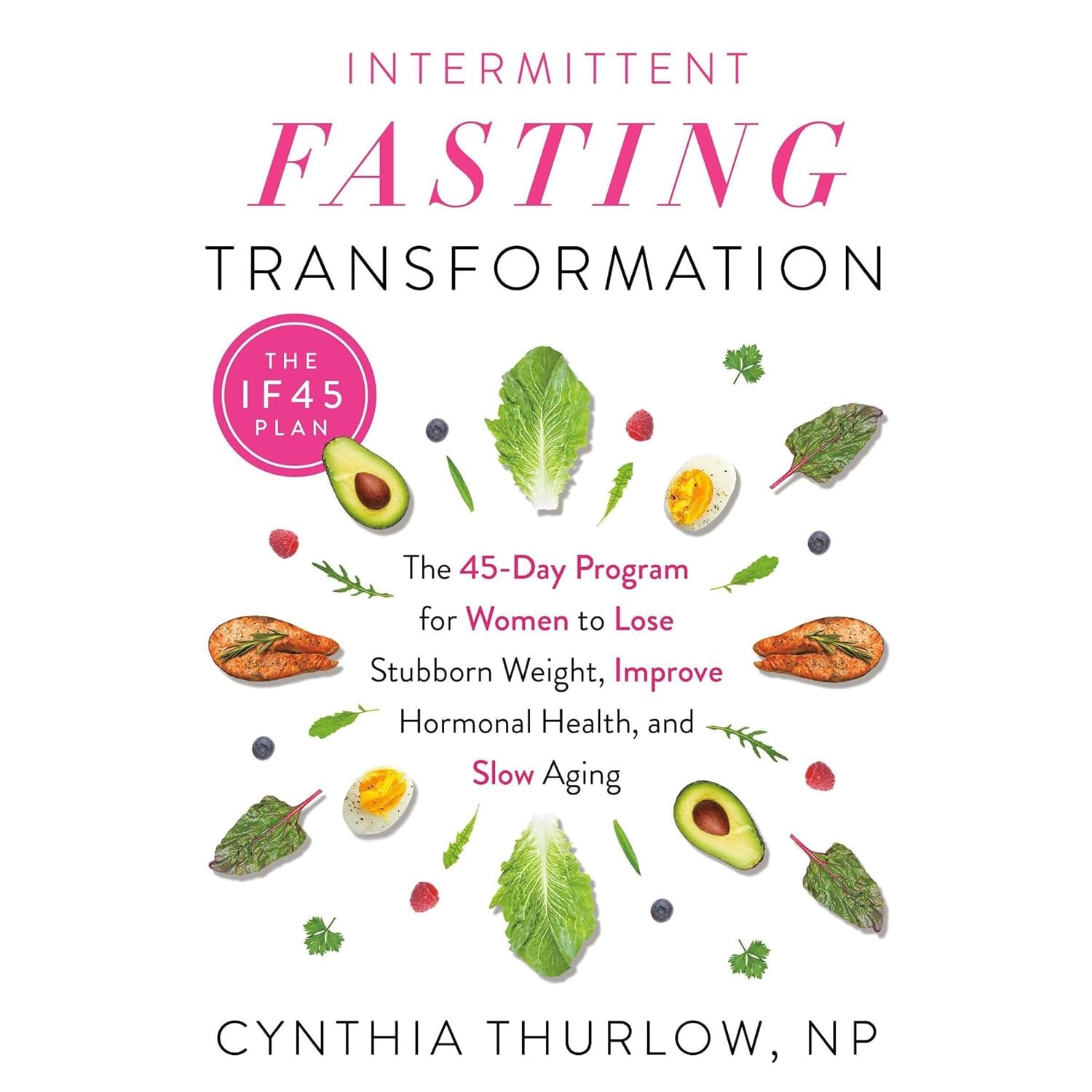
Intermittent Fasting Transformation is a must-read for anyone looking to improve their health and well-being through diet and lifestyle changes. This comprehensive guide takes a science-based approach to intermittent fasting, exploring the benefits, risks, and various methods of this popular diet trend.
The author provides practical tips and meal plan to help readers successfully implement intermittent fasting into their daily routine, and shares inspiring success stories of those who have transformed their lives through this practice. Whether you are a seasoned veteran or just starting out, Intermittent Fasting Transformation offers a wealth of information and guidance for anyone looking to achieve their health and fitness goals.
Sold by Amazon
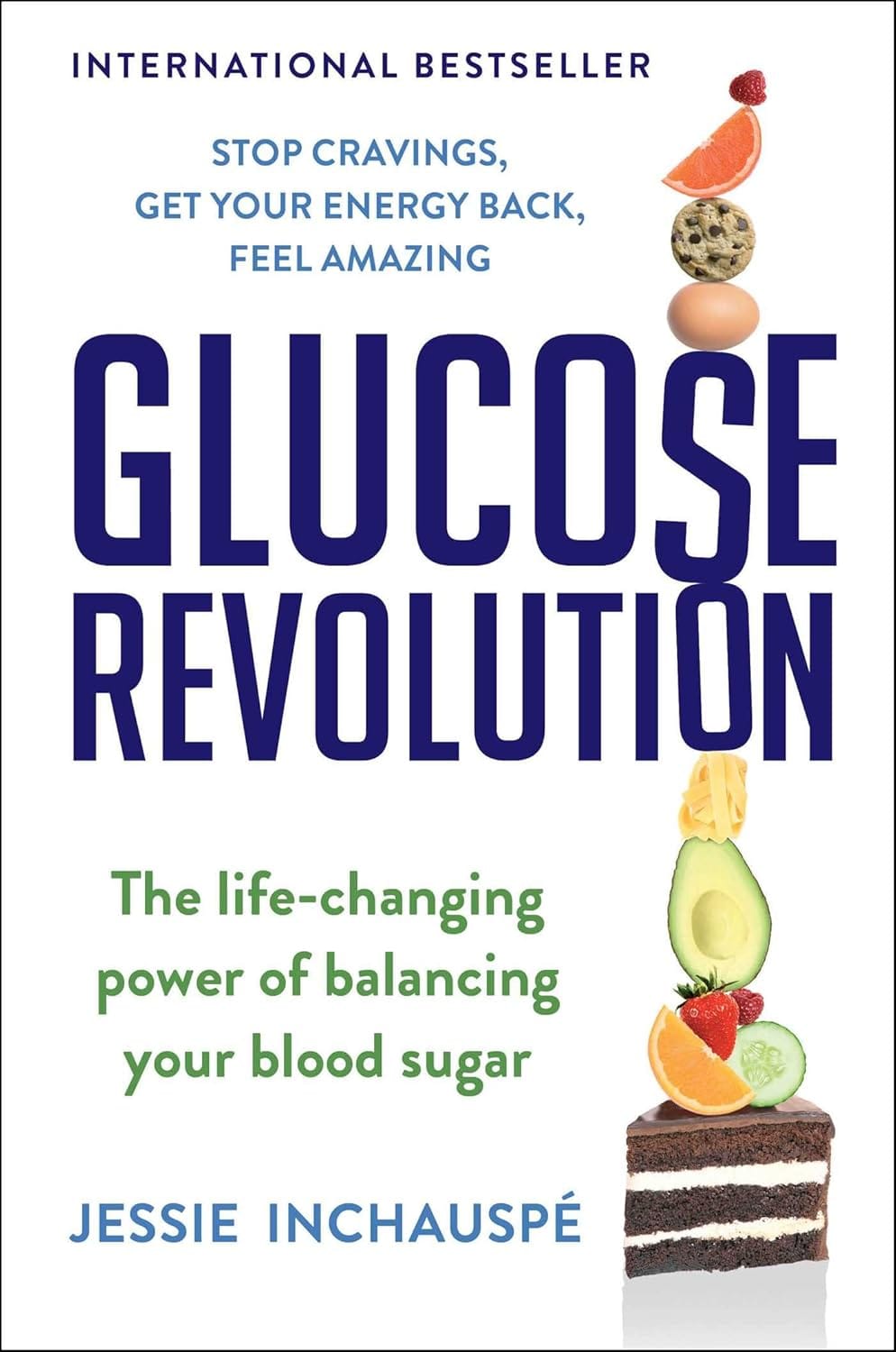
The Glucose Revolution book is a must-read for anyone who wants to improve their health and understand the importance of managing their blood sugar levels. Written by two leading experts in the field of nutrition, the book provides a comprehensive guide on how to maintain a healthy diet and manage blood sugar levels effectively.
With its easy-to-follow advice and practical tips, this book is perfect for anyone who wants to take control of their health and live a happier, healthier life. Whether you're looking to improve your overall health or manage a specific condition, the Glucose Revolution is an essential resource that provides all the information you need to get started.
Sold by Amazon
Fast. Feast. Repeat.
Shop Now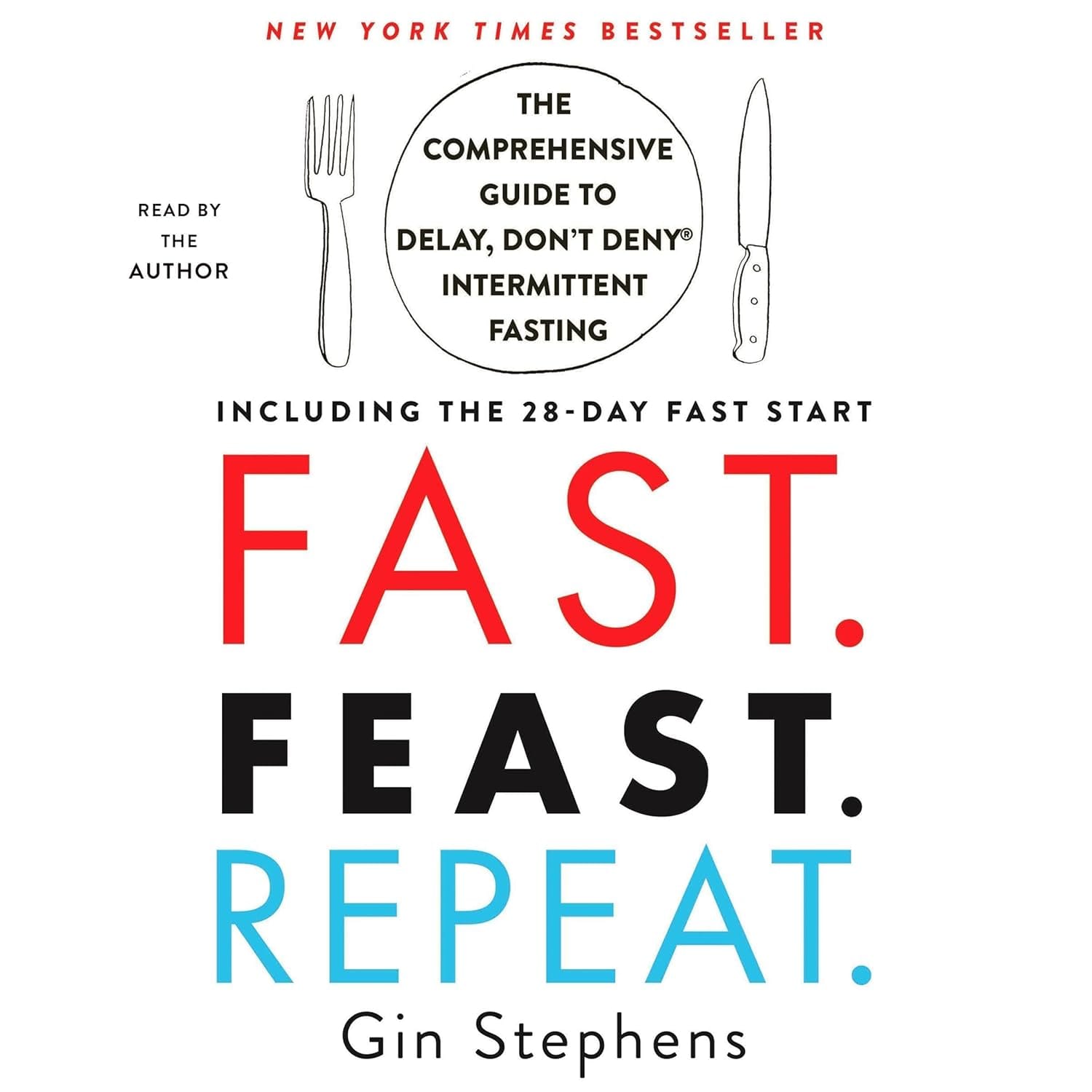
Fast. Feast. Repeat.
Diets don’t work. You know you know that, and yet you continue to try them, because what else can you do? You can Fast. Feast. Repeat. After losing over 80 pounds and keeping every one of them off, Gin Stephens started a vibrant, successful online community with hundreds of thousands of members from around the world who have learned the magic of a Delay, Don’t Deny intermittent fasting lifestyle.
Fast. Feast. Repeat. has it all! You’ll learn how to work a variety of intermittent fasting approaches into your life, no matter what your circumstances or schedule. Once you’ve ignited your fat-burning superpower, you’ll get rid of your diet brain forever, tweak your protocol until it’s second nature, and learn why IF is a lifestyle, not a diet.
Sold by Amazon
Intermittent Fasting Made Easy
Shop Now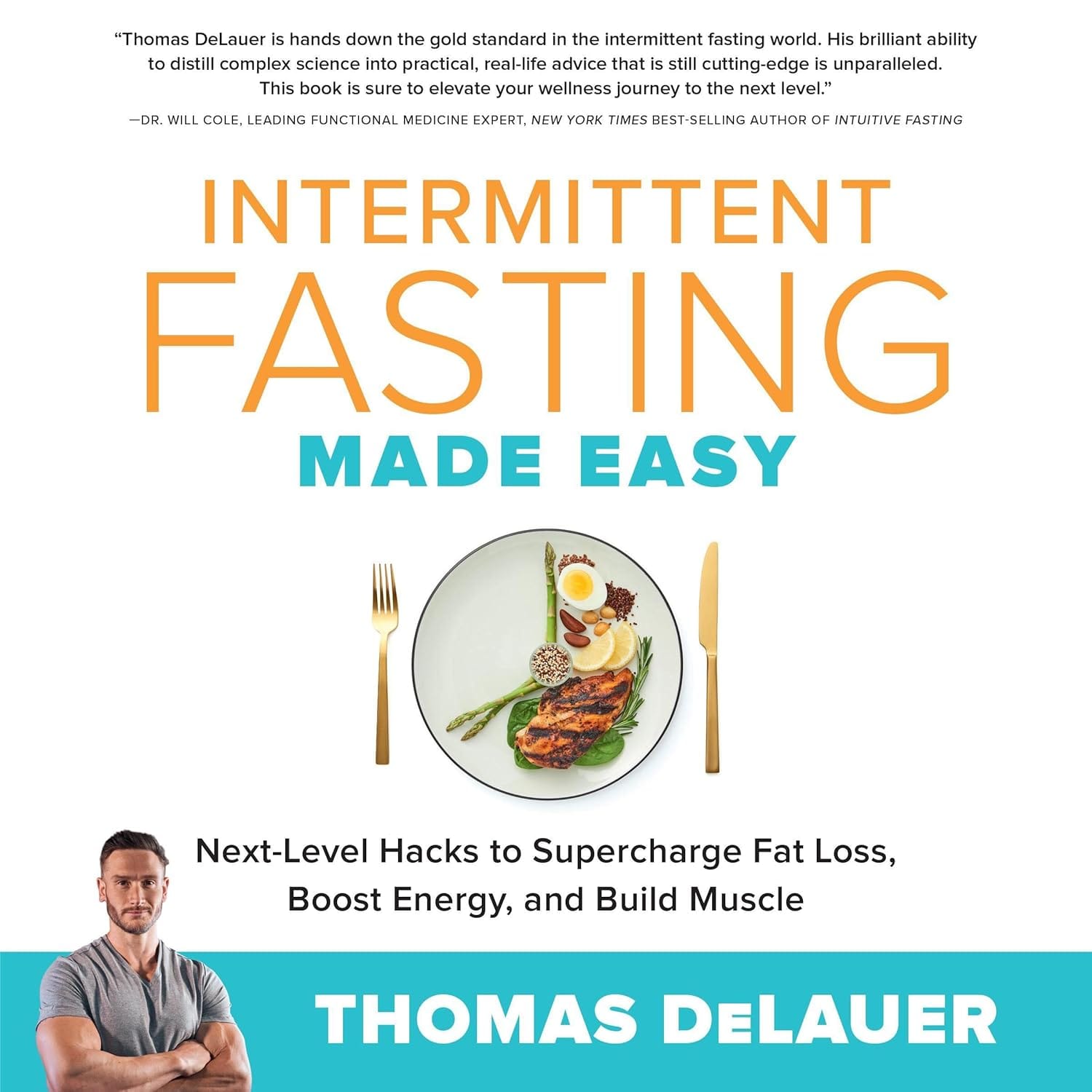
Like any hot diet trend, intermittent fasting (IF) is surrounded by hype and misinformation. Written by nutrition and fitness expert and YouTube sensation Thomas DeLauer, Intermittent Fasting Made Easy moves you beyond how you could do IF to what you should do to get the very best results. Known for making nutrition science cool and accessible, DeLauer gives you an action plan for maximizing results—designed with busy people juggling a family, career, and everyday life in mind. It’s IF made easy and applied to real life.
Chapter by chapter, DeLauer walks you through the best practices for each of the key stages of intermittent fasting: the fasting window, breaking the fast, and the eating window. Troubleshooting tips help you fast in a way that supports your body and lifestyle. You’ll learn how to:
- Choose the best foods to eat (and which to avoid)
- Use supplements to support your progress
- Maximize your workout while intermittent fasting
- Avoid the most common mistakes people make
- Kick IF results into high gear by supercharging fat-burning, boosting mental clarity, and enhancing sleep
- Get past IF roadblocks including mood swings, relapse, and plateauing
Sold by Amazon
FAQs
Q: How do you do intermittent fasting?
Answer: Intermittent fasting is a method of dieting that involves alternating periods of fasting and non-fasting. Here is how you can do it:
- Choose a fasting schedule: The most popular methods of intermittent fasting are the 16/8 method (fasting for 16 hours and eating during an 8-hour window), the 5:2 diet (eating normally for 5 days and restricting calorie intake for 2 non-consecutive days), and alternate-day fasting (alternating between fasting days and non-fasting days). Choose the method that works best for you and your lifestyle.
- Decide what to drink: During a fast, you can drink water, black coffee, and other non-caloric beverages to help you stay hydrated. Avoid sugary drinks, juice, and milk during fasting periods.
- Start with a small fasting window: If you're new to intermittent fasting, it may be helpful to start with a shorter fasting period, such as 12 hours, and gradually increase the duration of your fasting.
- Eat nutrient-dense foods: When it's time to eat, make sure you're consuming a balanced diet with plenty of nutrients. Focus on eating whole, unprocessed foods like fruits, vegetables, whole grains, and lean proteins.
- Stick with it: Intermittent fasting requires discipline and consistency, so be patient and don't give up if you don't see results right away. Give it time to work and stick with it.
It's important to note that if you have any medical conditions, are pregnant or breastfeeding, or have a history of disordered eating, it's best to speak with your doctor before starting intermittent fasting.
Q: Is it better to fast for 12 or 16 hours?
Answer: The optimal duration of fasting for you depends on several factors, including your personal preferences, lifestyle, and health goals.
Fasting for 12 hours, such as overnight, is a good starting point for those who are new to intermittent fasting and want to gradually adjust to the concept. This schedule is also more flexible, allowing you to eat breakfast within a few hours of waking up and have an early dinner.
Fasting for 16 hours, such as the popular 16/8 method, may offer more health benefits compared to a 12-hour fast. This schedule typically involves skipping breakfast and only eating during an 8-hour window, usually from noon to 8 pm. This longer fasting period can help increase insulin sensitivity, improve fat oxidation, and boost growth hormone levels.
That being said, both 12-hour and 16-hour fasting schedules have been shown to have similar benefits for weight loss and metabolic health. It's important to choose the fasting schedule that works best for you and your lifestyle and to stick with it consistently to see the benefits.
Q: Does 12 hours count as intermittent fasting?
Answer: Yes, 12 hours of fasting can be considered a form of intermittent fasting. Intermittent fasting is a broad term that encompasses any pattern of eating that alternates between periods of fasting and non-fasting. So, if you have a 12-hour fasting window and eat only within 12 hours, you are technically doing intermittent fasting.
It's important to note that the benefits of intermittent fasting can vary depending on the duration and frequency of fasting. For example, longer fasting periods, such as 16 hours or more, may offer more significant health benefits compared to shorter fasting periods, like 12 hours. However, a 12-hour fasting window can still have positive effects on weight management, blood sugar control, and overall health.
Ultimately, the best form of intermittent fasting for you will depend on your personal preferences, lifestyle, and health goals. It's best to consult with a healthcare professional before starting any new diet or fasting regimen.
Q: Is intermittent fasting good for weight loss?
Answer: Yes, intermittent fasting can be an effective way for weight loss. By continuous calorie restriction for certain periods, intermittent fasting can help reduce overall calorie consumption and promote fat oxidation, which can lead to weight loss.
Studies have shown that people who practice intermittent fasting tend to have health benefits by reducing body fat, particularly in the abdominal area. However, the amount of weight loss achieved through intermittent fasting can vary depending on several factors, such as starting weight, diet, and activity level.
It's important to note that while intermittent fasting can be an effective way to lose weight, it's not a magic solution and shouldn't be used as a substitute for a balanced, nutrient-dense diet. To achieve and maintain healthy weight loss, it's important to eat a variety of whole, unprocessed foods and to be mindful of portion sizes.
Additionally, it's always best to consult with a healthcare professional before starting any new diet or fasting regimen, especially if you have any underlying health conditions or are taking medications.
Q: What happens after 1 week of intermittent fasting?
Answer: After one week of intermittent fasting, you may experience several physical and physiological changes, including:
- Weight loss: Intermittent fasting is an effective way to lose weight by reducing calorie intake and promoting fat oxidation. However, the amount of weight loss after one week can vary depending on several factors, such as starting weight, diet, and activity level.
- Increased insulin sensitivity: Intermittent fasting has been shown to improve insulin sensitivity, which can help regulate blood sugar levels and reduce the risk of type 2 diabetes.
- Improved brain function: Intermittent fasting has been linked to improved brain function, including increased focus and concentration, as well as reduced inflammation and oxidative stress in the brain.
- Boosted cellular repair processes: Intermittent fasting has been shown to stimulate cellular repair processes, such as autophagy, which can help improve overall health and reduce the risk of chronic diseases.
- Reduced inflammation: Intermittent fasting has been linked to reduced inflammation in the body, which can help improve overall health and reduce the risk of chronic diseases like heart disease and cancer.
It's important to note that the effects of intermittent fasting can vary from person to person, and these changes may not be noticeable after just one week. It's best to give it time to work and stick with it consistently over several weeks or months to see the full benefits.