
Best Health and Fitness Books To Transform Your Life!
A new way to help you reach your health and fitness goals is with our compiled list of the best health and fitness books to help you get in shape, feel your best, and stay motivated.
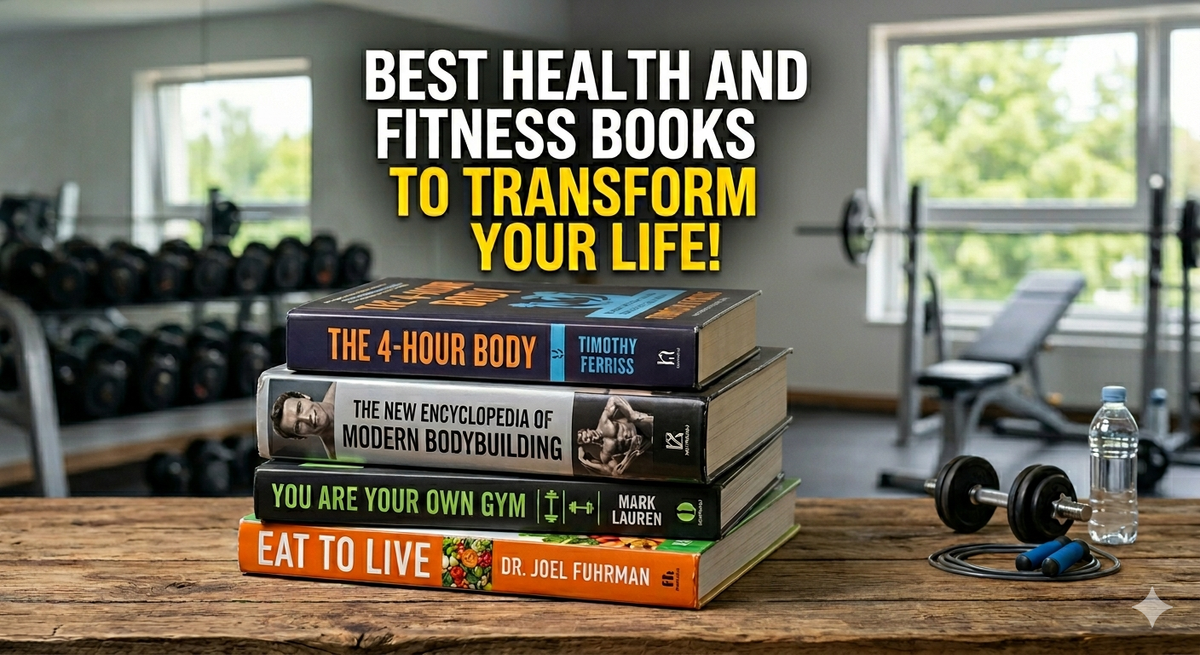
Looking to become the healthiest version of yourself? Here are the best health and fitness books that can help you do just that! From inspiring stories of transformation to practical advice on nutrition and physical activity, these books will help you develop healthy habits for a lifetime. Dive in and get ready to make some serious progress!
We've compiled a list of the best health and fitness books available to get you started. From books on nutrition and exercise to books on mental health, there's something here for everyone. Whether you're just beginning your journey to better health or need a refresher on the basics, these books will provide you with the information and motivation you need to succeed.
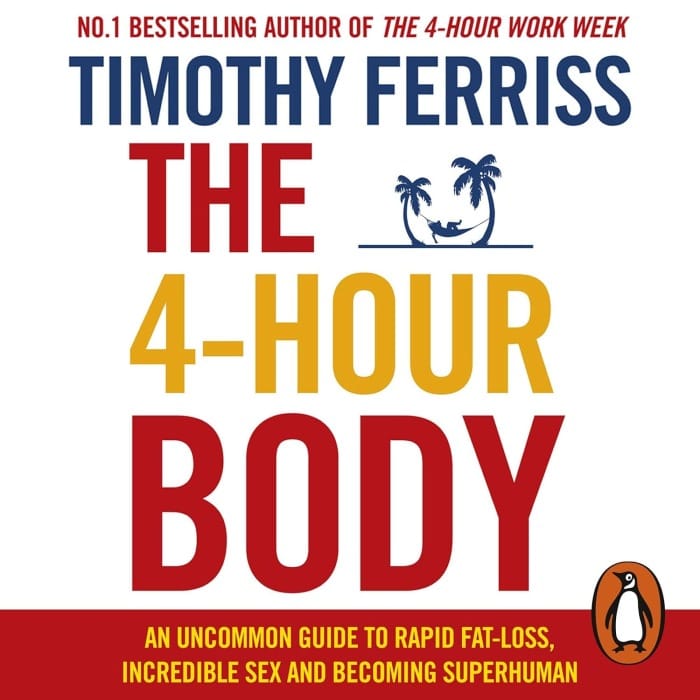
Want to lose fat, double testosterone, get the perfect posterior, or give your partner a fifteen-minute female orgasm? Whatever your physical goal, The 4-Hour Body eclipses every other health manual by sharing the best-kept secrets in the latest science and research to provide new strategies for redesigning the human body.
You don't need to exhaust yourself. International bestselling author, Timothy Ferriss, helps you reach your true genetic potential in 3-6 months with a commitment of fewer than four hours per week. You can pick and choose from a menu of options, from simple to extreme, for dramatic body changes. Based on over 15 years of research, The 4-Hour Body will give unbelievable results and change the way you look forever.
Available at Amazon
The New Encyclopedia of Modern Bodybuilding
Shop Now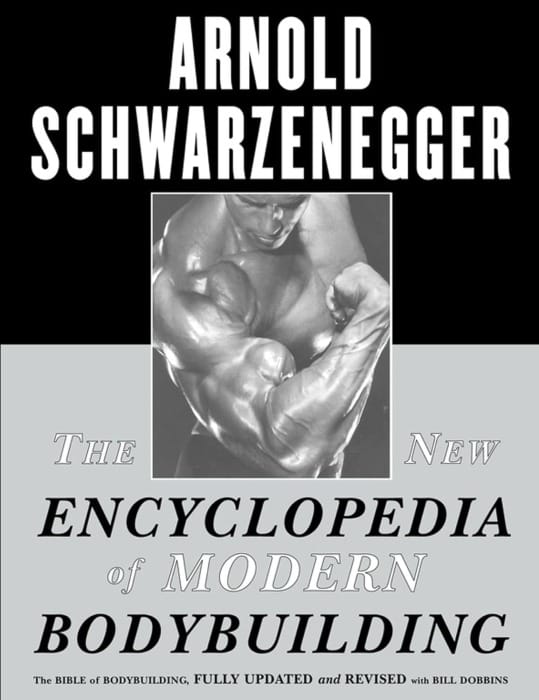
In this book, Arnold Schwarzenegger shares his secrets to successful bodybuilding, including diet, nutrition, and workout plans.
Arnold covers the very latest advances in both weight training and bodybuilding competition, with new sections on diet and nutrition, sports psychology, the treatment and prevention of injuries, and methods of training, each illustrated with detailed photos of some of bodybuilding's newest stars.
Available at Amazon
You Are Your Own Gym
Shop Now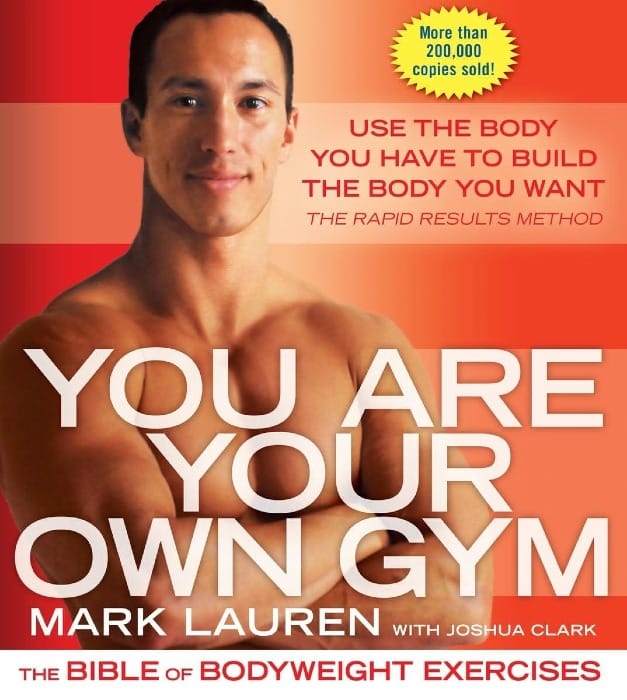
In this book, Mark Lauren provides a comprehensive guide to bodyweight exercises and how to use them to get in shape and stay motivated.
Mark Lauren has been at the front lines of preparing nearly one thousand soldiers, getting them lean and strong in record time. Now, for regular Joes and Janes, he shares the secret to his amazingly effective regimen simple exercises that require nothing more than the resistance of your body weight to help you reach the pinnacle of fitness and look better than ever before.
Available at Amazon
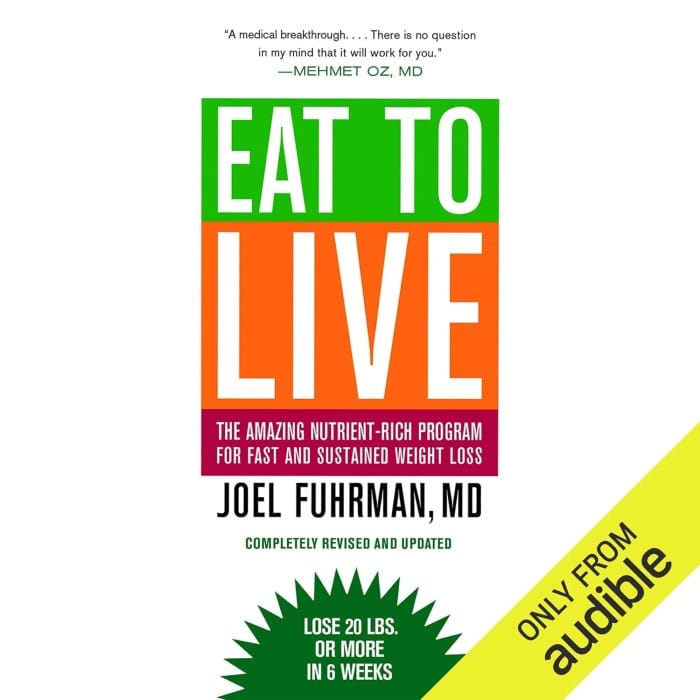
An amazing nutrient-rich program for fast and sustained weight loss with an explanation of how to use a nutrient-rich diet to lose weight quickly and sustainably. He also provides tasty recipes and meal plans to help you reach your goals.
Updated with scientific research supporting Dr. Fuhrman's revolutionary six-week plan and a brand new chapter highlighting the discovery of toxic hunger and the role of food addiction in weight issues. This new chapter provides novel and important insights into weight gain. It explains how and why eating the wrong foods causes toxic hunger and the desire to overconsume calories. A diet of high micronutrient quality causes true hunger which decreases the sensations leading to food cravings and overeating behaviors. It instructs readers on how to leave behind the discomfort of toxic hunger, cravings, and addictions to unhealthy foods.
Available at Amazon
The Body Reset Diet
Shop Now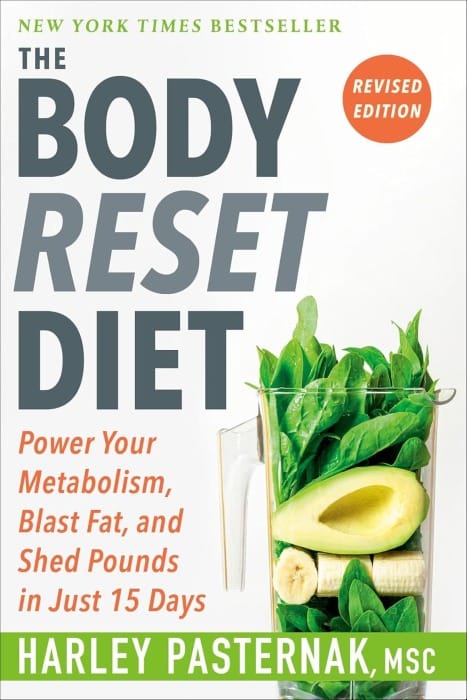
In this book, Harley Pasternak provides a 15-day program to help you reset your metabolism and transform your body. He explains how to make better food choices and develop healthy habits.
This 3 phase program focuses on the easiest, most effective way to slim down: blending. The five-day jumpstart includes delicious, expertly crafted smoothies, dips, snacks, and soups--all customizable to any preference or diet restriction. Over the following ten days, readers will reintroduce healthy versions of their favorite foods along with the blended recipes, keeping their metabolisms humming. The plan also explains how the easiest form of exercise--walking--along with light resistance training is all it takes to achieve the celebrity-worthy physique that every reader craves.
Available at Amazon
FAQs
These books are a great way to stay healthy and fit. With their help, you can reach your health and fitness goals safely and effectively.
Q: What exercise burns the most calories in 30 minutes?
Answer: If your goal is to burn the maximum calories in 30 minutes, the winner isn’t just one exercise—it’s about intensity. That said, a few workouts consistently come out on top.
1. Sprinting / High-Intensity Interval Training (HIIT)
This is usually the #1 calorie burner. Alternating short bursts of all-out effort (like sprinting) with brief recovery periods can burn 300–500+ calories in 30 minutes, depending on your weight and intensity. It also creates an “afterburn effect” (your body keeps burning calories even after you finish).
2. Running (especially fast pace)
Running at a strong pace (around 10–12 km/h) can burn 300–450 calories in 30 minutes. The faster you go, the more you burn. Incline running or hill sprints push it even higher.
3. Skipping (Jump Rope)
Often underrated, but extremely effective. Fast skipping can burn 300–400 calories in 30 minutes and also improves coordination and cardiovascular fitness.
4. Cycling (high intensity or spin class)
A vigorous cycling session can burn 250–400 calories in 30 minutes, especially if you include resistance or intervals.
5. Rowing (full-body workout)
Rowing engages both upper and lower body, making it efficient. A hard session can burn 250–350 calories in 30 minutes.
The exercise that burns the most calories is the one you can perform at high intensity and sustain consistently. For most people, HIIT (like sprint intervals) delivers the highest burn in the shortest time.
If you’re choosing one approach:
👉 Go for interval-based workouts—they give you the best return on time.
And remember, consistency beats everything. The “best” exercise is the one you’ll actually stick with.
Q: What is the single best exercise for health?
Answer: If you had to pick just one exercise for overall health, it would be walking.
It might sound too simple, but walking consistently checks almost every box for long-term health. It improves cardiovascular fitness, supports weight management, reduces the risk of chronic diseases like diabetes and heart disease, and even boosts mental health by lowering stress and anxiety. Unlike high-intensity workouts, walking is low-impact, easy on the joints, and suitable for almost all age groups and fitness levels—which means you’re far more likely to stick with it.
The real power of walking is in its consistency. A brisk 30–45 minute walk most days of the week can significantly improve your energy levels, sleep quality, and overall wellbeing. You don’t need a gym, special equipment, or a complicated routine—just a good pair of shoes and a commitment to move regularly.
In short, the “best” exercise isn’t the most intense or trendy one—it’s the one you can do consistently for years. And for most people, walking wins that race.
Q: What are the 3 most common fitness plans?
Answer: If you look at most gyms, apps, or coaching programs, nearly all fitness routines fall into three simple categories. The names might change, but the structure is usually the same:
1. Strength (Resistance Training)
This plan focuses on building muscle and increasing strength using weights, machines, or bodyweight exercises. Think squats, deadlifts, push-ups, and resistance bands. It’s not just for bodybuilders—strength training improves metabolism, bone density, posture, and overall functional fitness. Most people follow a split routine (upper/lower body) or full-body workouts 2–4 times per week.
2. Cardio (Endurance Training)
Cardio plans are designed to improve heart health, stamina, and calorie burning. This includes activities like running, cycling, swimming, or brisk walking. Some people follow steady-state cardio (longer, moderate sessions), while others prefer HIIT (high-intensity interval training), which alternates short bursts of effort with rest. It’s one of the most effective ways to support weight loss and cardiovascular health.
3. Flexibility & Mobility (Recovery-Based Training)
Often overlooked, this plan focuses on stretching, joint mobility, and recovery. It includes practices like yoga, dynamic stretching, and mobility drills. While it may seem less intense, it plays a key role in preventing injuries, improving movement quality, and helping your body recover from strength and cardio workouts.
The bottom line:
The most effective fitness routines don’t rely on just one of these—they combine all three. A balanced plan might include strength training a few times a week, regular cardio sessions, and mobility work to keep your body moving well long-term.
Q: Is Beyond Body worth it?
Answer: Beyond Body isn’t really a weight-loss solution in the traditional sense, it’s a personalised ebook that gives you meal ideas, mindset tips, and general nutrition guidance based on a short questionnaire.
For some people, that structure can be helpful. If you’ve been struggling with consistency, don’t want to research diets yourself, and like having a simple plan laid out, it can feel motivating at the start. It’s also fairly easy to follow, especially if you prefer guided content over complex calorie tracking or strict programs.
However, there are some important limitations. The recommendations are quite general and not truly “scientific personalisation” in the medical or nutritionist sense. A lot of the advice you’ll find in Beyond Body can be found for free through reputable health websites or basic meal-planning apps. It also doesn’t replace tailored advice from a qualified dietitian, especially if you have medical conditions, hormonal issues, or specific fitness goals.
So is it worth it?
- Yes, if you want a simple, structured starting point and prefer guided motivation over building your own plan.
- No, if you’re expecting advanced personalisation, clinical-level nutrition advice, or a long-term transformation system.
In short, Beyond Body is best seen as a starter guide for healthier habits, not a complete or professional weight-loss solution.
Q: What burns stomach fat?
Answer: There’s no single exercise or food that “burns stomach fat” specifically. Fat loss doesn’t work in one isolated area of the body—it happens overall, and the body decides where it loses fat first based on genetics, hormones, and lifestyle.
That said, there are proven ways to reduce overall body fat, which will eventually reduce belly fat as part of the process:
1. Create a consistent calorie deficit
You lose fat when you consume fewer calories than you burn. This doesn’t mean extreme dieting—it means sustainable habits like slightly smaller portions, reducing sugary drinks, and choosing whole foods more often.
2. Strength training + resistance exercise
Building muscle increases your resting metabolism, meaning you burn more calories even at rest. Exercises like squats, deadlifts, push-ups, and weight training are especially effective.
3. Cardio (especially a mix of steady + high intensity)
Activities like brisk walking, cycling, jogging, and HIIT improve calorie burn and heart health. HIIT in particular can help improve fat loss efficiency over time.
4. Improve diet quality (not just reduce food)
Focus on:
- High protein foods (eggs, chicken, legumes, fish)
- High-fiber foods (vegetables, oats, fruits)
- Reducing ultra-processed foods and added sugars
This helps control hunger and improves fat loss consistency.
5. Sleep and stress control matter more than people think
Poor sleep and chronic stress increase cortisol levels, which is strongly linked to increased abdominal fat storage. Aim for 7–9 hours of sleep and regular stress-reducing activity.
You can’t “target” stomach fat directly, but you can reduce it by consistently improving your diet, activity level, sleep, and stress management. Over time, belly fat reduces as overall body fat decreases.