
Walking Pads & Compact Treadmills: Comprehensive Guide
Walking Pads - Compact, quiet, & space-saving, walking pads make daily movement easy at home. Great for light cardio, though not built for serious running.
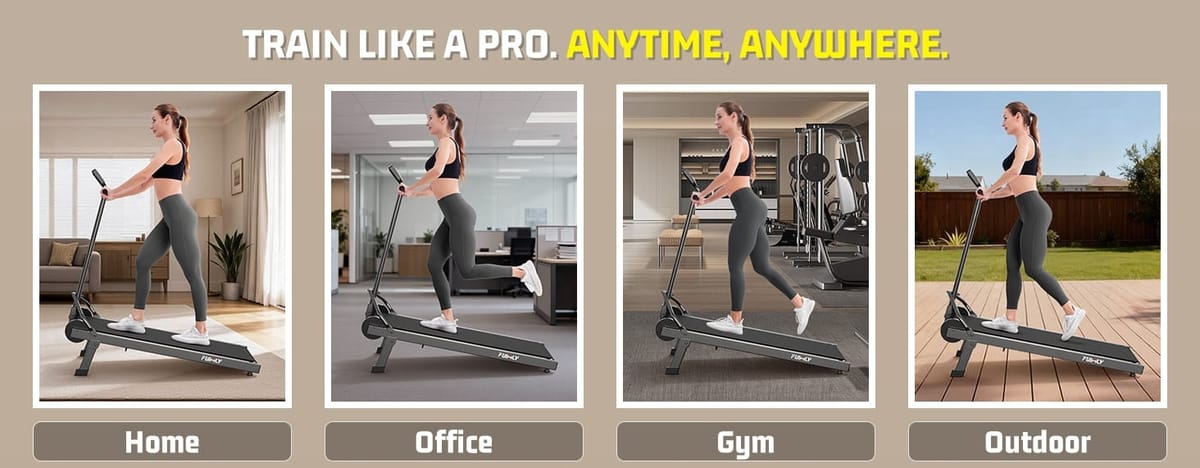
As remote work and home-based fitness continue to grow, compact treadmills and walking pads have become increasingly popular. These space-efficient machines aim to bridge the gap between convenience and consistent movement — whether that’s walking while working or adding light cardio to a daily routine.
Several brands in the compact treadmill category have positioned themselves as accessible options for home users. While marketing often highlights innovation and patented technology, buyers should focus less on branding claims and more on practical features, durability, and long-term usability.
This guide breaks down what truly matters when choosing a walking pad or treadmill for home use.
What to Look for When Buying a Walking Pad or Treadmill
Motor Power & Performance
The motor determines how smoothly the machine operates. Instead of focusing on peak horsepower claims, look for continuous horsepower (CHP) ratings.
- 1.5–2.25 CHP: Suitable for walking
- 2.5–3.0 CHP: Ideal for jogging
- 3.0+ CHP: Better for consistent running
If your goal is steady walking during work hours, ultra-high motor power may not be necessary. However, runners should prioritize stronger motors for longevity and smoother performance.
Running Surface Size
Comfort and safety depend heavily on belt dimensions.
- Minimum comfortable size for walking: 20" x 55"
- Taller users or joggers may prefer 22" x 60"
Compact walking pads often trade surface size for portability. Consider your stride length before choosing a slim model.
Incline & Speed Range
Incline adds intensity and increases calorie burn.
- Walking range: 0.5–6 mph
- Light jogging: 4–6 mph
- Runners may need 10–12+ mph
Some compact treadmills offer manual incline only, which limits mid-workout adjustments. Electric incline systems provide more convenience but typically increase price and size.
Space & Storage
This is where walking pads stand out.
Many modern designs fold down to under 5 inches in height and can slide under beds or sofas. If space is limited, measure:
- Operating footprint
- Folded dimensions
- Clearance around the treadmill
- Ceiling height
Portability wheels are helpful, but do not eliminate weight concerns.
Weight Capacity & Frame Strength
Choose a treadmill with a weight capacity at least 20–30% above the heaviest intended user’s weight. This ensures durability and reduces strain on the motor.
Heavier-duty models often offer better stability but are less compact.
Cushioning & Joint Protection
Quality shock absorption reduces joint strain, particularly for users:
- Over 40
- Recovering from injury
- Walking daily for long durations
Compact walking pads generally provide moderate cushioning, suitable for walking rather than high-impact running.
Technology & Console Features
Features can include:
- Bluetooth speakers
- App connectivity
- Remote controls
- Vibration modes
- Desk attachments
While these add convenience, avoid paying for features you won’t use consistently.
Noise Levels
Noise is critical in apartments or shared homes.
Walking pads tend to be quieter than traditional treadmills, but vibration modes and incline adjustments may increase sound. User reviews are often more reliable than manufacturer claims.
Warranty & Support
Look for:
- At least 1 year of labor
- 2–3 years parts
- Longer frame warranty
Customer service reputation matters, especially for motorized equipment.
Featured Compact Treadmill Options
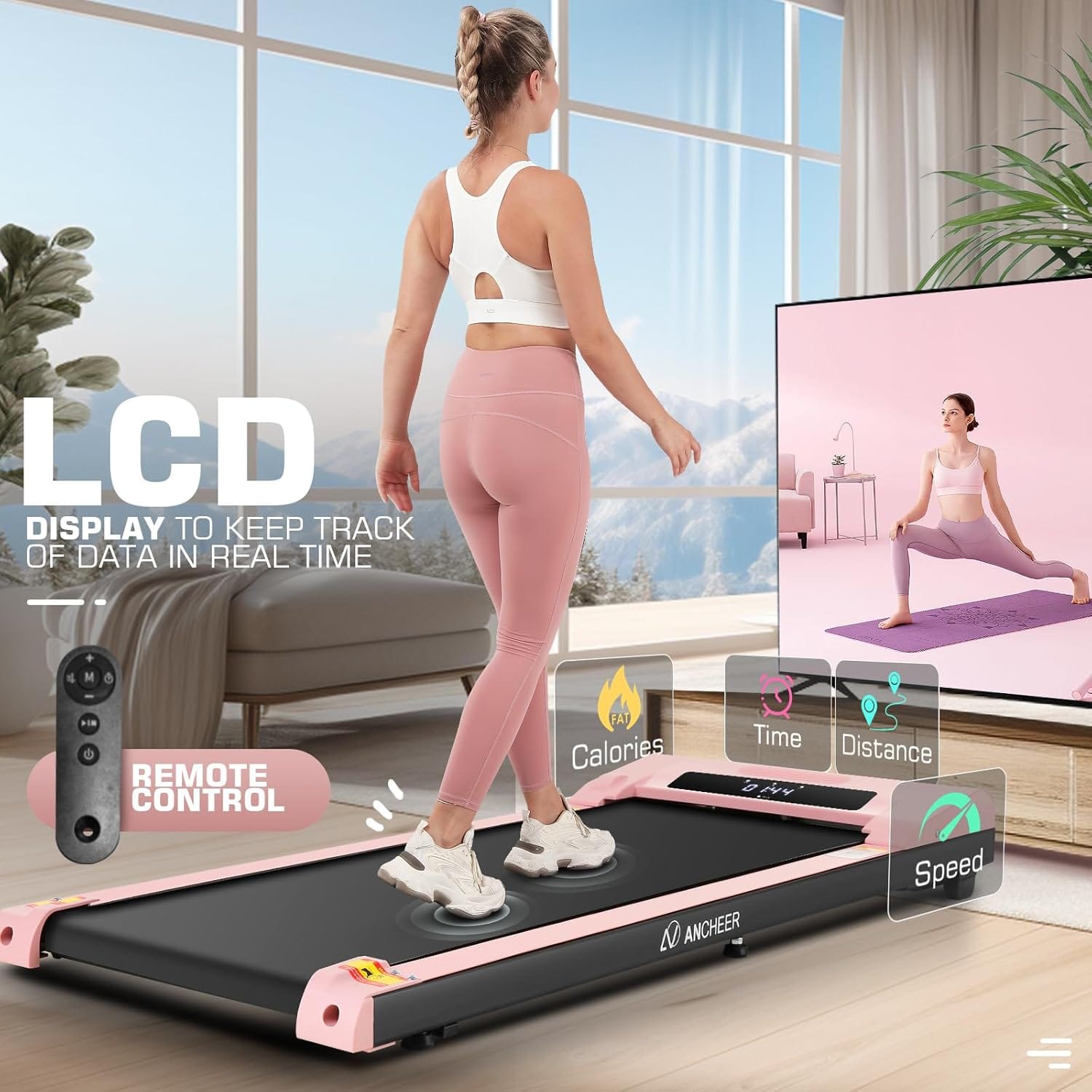
ANCHEER Walking Vibration Pad (12% Incline, Foldable)
Best suited for: Small apartments, daily walking, light jogging
Strengths:
- Ultra-compact folding design (slides under furniture)
- 12% incline for added intensity
- Built-in vibration modes for warm-up or recovery
- 350 lb weight capacity
Considerations:
- Limited top speed for serious runners
- Setup may require some patience
This model focuses on versatility and space-saving convenience. The vibration feature adds an extra dimension, though not everyone may find it essential.
ANCHEER Folding Walking Pad with Handle
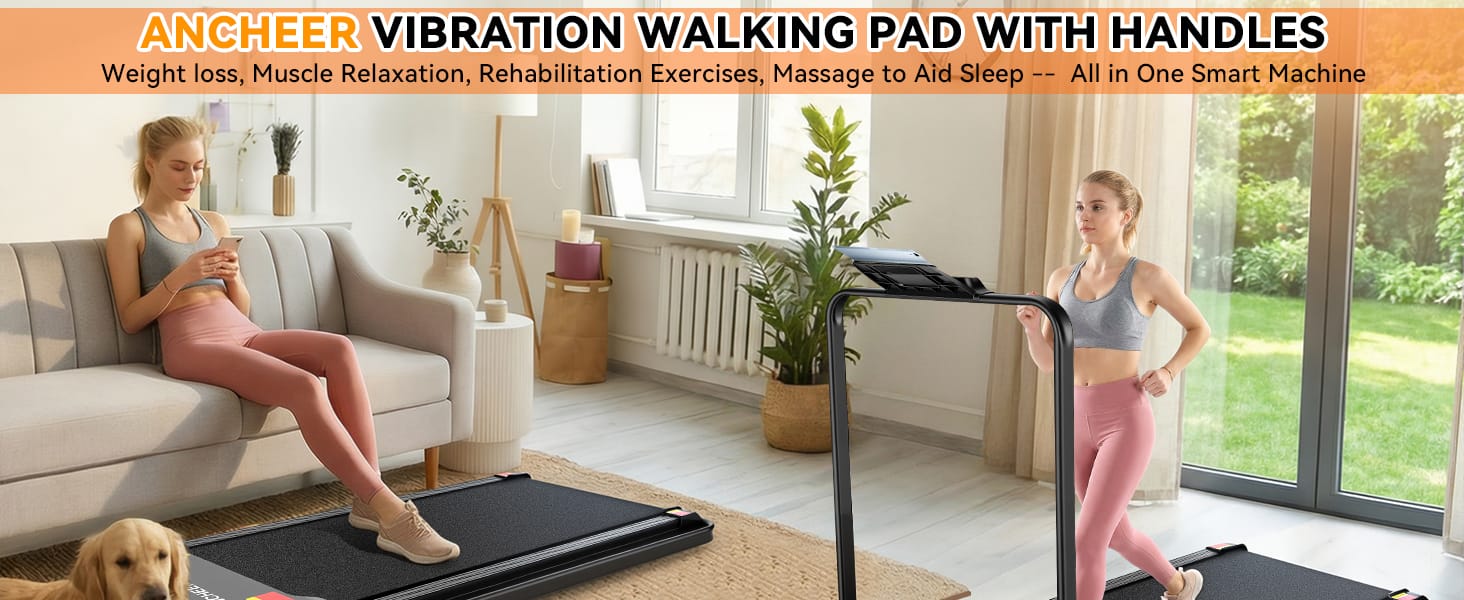
Best suited for: Light users under 200 lbs seeking joint-friendly walking
Strengths:
- Compact design for small homes
- Stability from handle support
- Good cushioning for walking
Considerations:
- Manual incline only
- May not suit heavier users long term
A practical option for walking-focused routines rather than intense training.
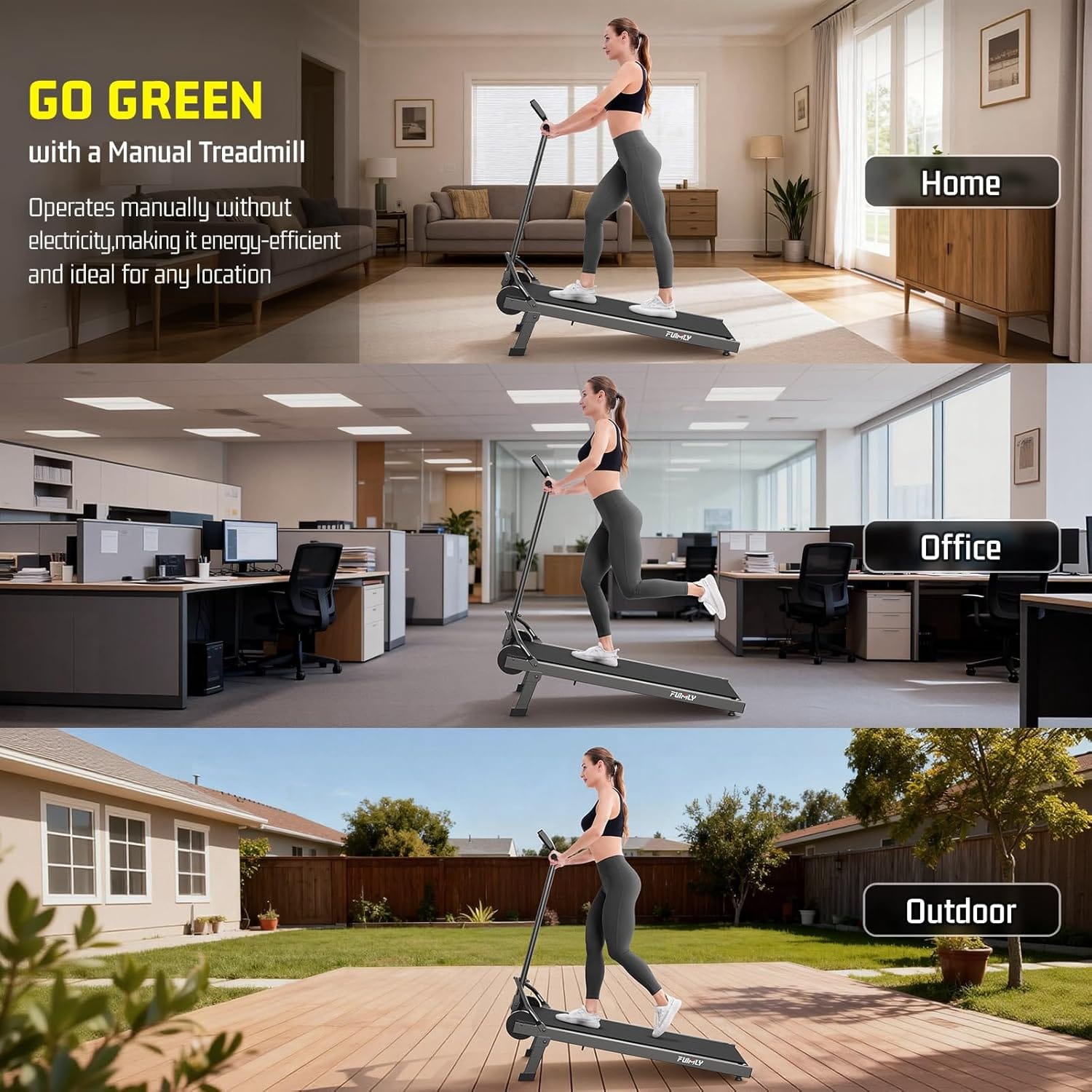
FUNMILY Upgrade Walking Pad (3.5HP, 400+ lb Capacity)
Best suited for: Users needing higher weight capacity and support rails
Strengths:
- Higher motor power
- Strong weight support
- Shock absorption system
- Handlebar for added stability
Considerations:
- Manual incline settings only
- Not designed for high-speed running
This model prioritizes stability and durability over advanced automation.
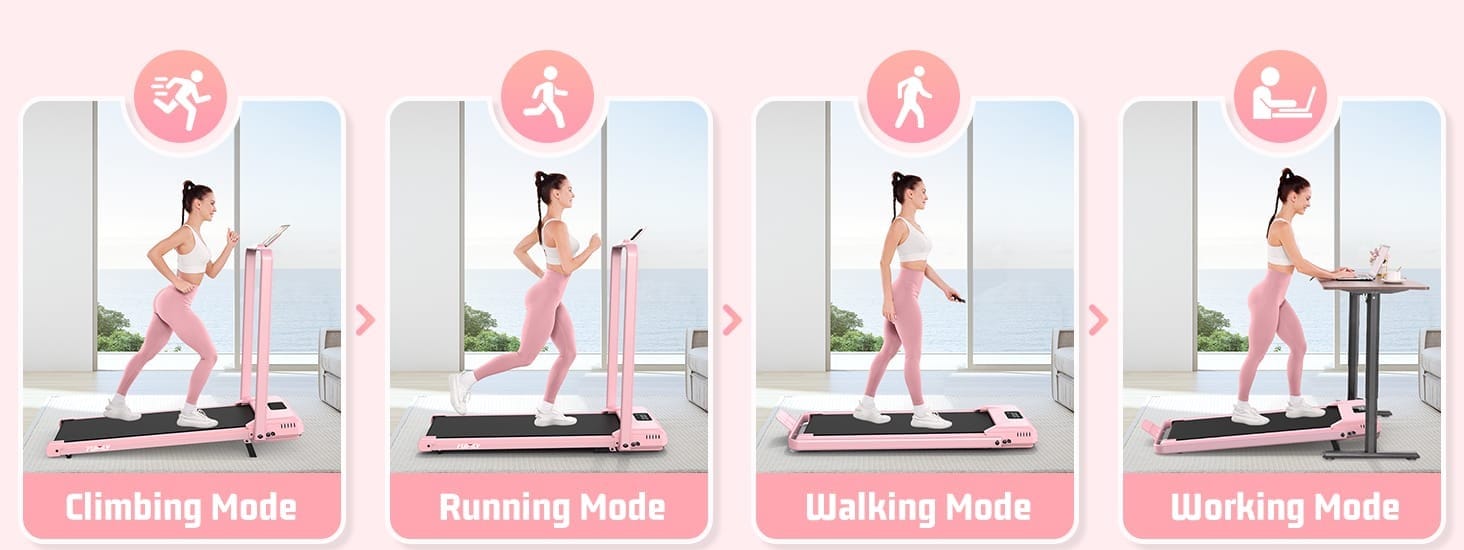
Walking Pad with Desk Workstation (450 lb Capacity)
Best suited for: Work-from-home professionals
Strengths:
- Integrated adjustable-height desk
- Bluetooth connectivity
- Higher weight capacity
Considerations:
- Desk positioning may not suit all heights
- Larger footprint than minimal walking pads
An appealing solution for those looking to combine productivity and movement.
Things to Consider Before Buying
Measure Carefully
Account for both unfolded and folded dimensions, plus clearance.
Match Motor to Your Goals
Walking ≠ Running. Choose accordingly.
Check Noise Feedback
Apartment dwellers should prioritize quiet motors and shock-absorbing mats.
Evaluate Safety Features
Emergency stop clips, non-slip belts, and sturdy rails are non-negotiable.
Research Service Availability
Repairs and parts access matter long-term.
Frequently Asked Questions
Q1: How often should I maintain a treadmill?
Answer: How often you should maintain a treadmill depends on how frequently you use it.
For most home users, basic maintenance every 3–6 months is enough. This includes:
- Cleaning dust from under the belt and motor area
- Checking and tightening bolts
- Lubricating the running belt (if your model requires it)
- Inspecting belt alignment
If you use your treadmill heavily (for example, over 1 hour per day), you should perform maintenance every 2–3 months instead.
It’s also important to watch for warning signs between scheduled maintenance, such as:
- Unusual noises
- Belt slipping or drifting to one side
- Jerky or inconsistent speed
- Burning smells
Regular cleaning is actually the most overlooked step. Dust buildup is one of the main reasons treadmill motors wear out early.
In short:
Light use → every 3–6 months
Heavy use → every 2–3 months
A few minutes of routine care can significantly extend the life of your treadmill and prevent expensive repairs later.
Q2: Is treadmill running as effective as outdoor running?
Answer: Yes — treadmill running can be just as effective as outdoor running, depending on how you use it.
From a fitness perspective, both improve cardiovascular endurance, burn calories, and strengthen lower-body muscles. Your heart and lungs don’t really care whether you’re moving on a belt or pavement — what matters most is intensity, duration, and consistency.
That said, there are a few practical differences:
1. Resistance & Effort
Treadmill belts slightly assist leg turnover, making it marginally easier than running outdoors. To better simulate outdoor conditions, many coaches recommend setting the incline to 1–2%. This compensates for the lack of wind resistance and terrain variation.
2. Impact on Joints
Most treadmills have built-in cushioning, which reduces impact stress on knees and ankles compared to concrete or asphalt. This makes treadmill running a good option for:
- Beginners
- Heavier runners
- People recovering from minor injuries
3. Muscle Engagement
Outdoor running activates stabilizer muscles more because of uneven terrain, curves, and wind resistance. Trails, in particular, challenge balance and coordination more than treadmill running.
4. Convenience & Control
Treadmills allow precise control over:
- Speed
- Incline
- Interval timing
They also eliminate weather variables, which helps maintain consistency. On the other hand, outdoor running offers fresh air, scenery changes, and often better mental stimulation.
So which is better?
Neither is universally “better” — they simply serve different purposes.
- If you want controlled, joint-friendly, weather-proof training, treadmill running is highly effective.
- If you want natural terrain challenges and mental refreshment, outdoor running has advantages.
Many runners combine both to get the benefits of each.
At the end of the day, the most effective running method is the one you’ll stick with consistently.
Q: Are walking pads a good idea?
Answer: Yes — walking pads can be a very good idea, but it depends on what you expect from them.
A walking pad isn’t meant to replace a full-size treadmill or outdoor running. It’s designed for convenience, light cardio, and helping you move more during the day — especially if you work from home.
Here’s when they make sense:
They’re great if:
- You sit for long hours and want to walk while working
- You live in a small apartment and need something compact
- You want low-impact exercise that’s easy on the joints
- You struggle with consistency and need something accessible
One of the biggest advantages is habit-building. When a treadmill folds under your bed or desk, there’s less friction to use it. That convenience often matters more than speed or power.
They’re not ideal if:
- You’re training for races or serious running
- You want high speeds (10–12 mph)
- You need advanced incline automation
- You’re looking for gym-level performance
Most walking pads are built for steady walking and light jogging. Some include incline options, vibration modes, or desk attachments — but those features are secondary to their main purpose: helping you move more consistently.
From a health perspective, even light walking improves:
- Circulation
- Blood sugar regulation
- Energy levels
- Focus and productivity
The key question isn’t “Is it powerful enough?”
It’s “Will I actually use it?”
If the answer is yes — especially because it fits your space and lifestyle — then a walking pad can be one of the most practical fitness purchases you make.
Consistency beats intensity every time.
Q: What are the disadvantages of a walking pad?
Answer: Walking pads are great for convenience and small spaces, but they’re not perfect. Here are some common disadvantages to consider before buying one:
1. Limited Speed Range
Most walking pads are designed for walking and light jogging only. If you’re a serious runner or training for performance, they usually don’t offer high enough speeds.
2. Smaller Running Surface
To stay compact, walking pads often have shorter and narrower belts. Taller users or people with a longer stride may feel restricted.
3. Lower Motor Power
Compared to full-size treadmills, walking pads typically have smaller motors. That’s fine for walking, but heavy or frequent use can wear them out faster.
4. Manual Incline (If Available)
Many models either don’t include an incline or require manual adjustment. That means you have to stop your workout to change intensity.
5. Stability Limitations
Some walking pads don’t have handrails. This can be uncomfortable for older users, beginners, or anyone who needs extra balance support.
6. Noise & Vibration
Although marketed as quiet, they can still create vibration — especially in apartments with downstairs neighbors.
7. Not Ideal for Long-Term Heavy Training
If your goal is intense cardio sessions or marathon training, a traditional treadmill is usually more durable and better suited.
That said, walking pads are excellent for light daily movement, especially for people working from home or living in small apartments. The key is understanding that they’re built for convenience and consistency — not high-performance training.
Key Takeaways
Walking pads and compact treadmills are not designed to replace full commercial gym equipment. Instead, they serve a different purpose: making daily movement accessible and sustainable in limited space. The best model is not necessarily the most powerful or feature-packed — it’s the one that fits your home, supports your goals, and encourages consistent use. For many households, especially those working from home, a compact walking pad may be less about performance metrics and more about building healthier habits into everyday life.