
Swing for the Fences With Men's Baseball Accessories!
When it comes to men's baseball accessories, there is a range of options available to suit every player's needs and preferences.
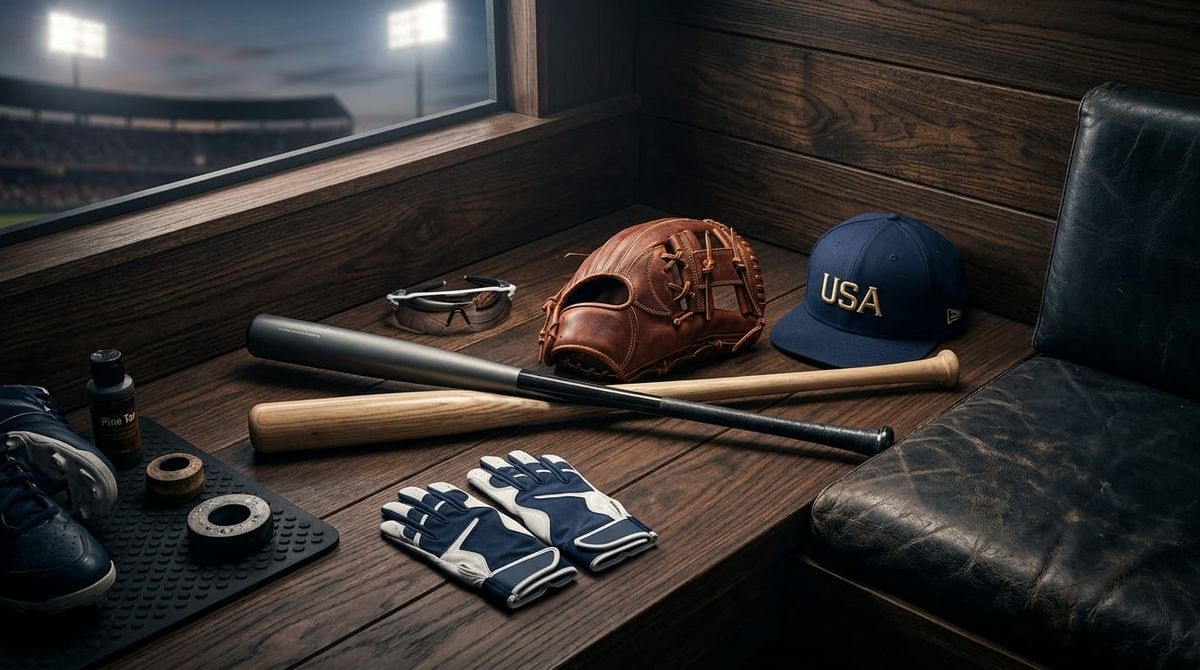
Baseball is a sport that requires a variety of equipment and accessories to play effectively and safely. Whether you're a seasoned player or just starting, having the right gear can make a significant difference in your performance on the field. Men's baseball accessories come in many shapes and sizes, ranging from batting gloves and helmets to catcher's gear and bags to carry it all in.
With so many options available, it can be challenging to know where to start. In this article, we'll take a closer look at some of the essential men's baseball accessories that can help elevate your game and provide the protection you need to play with confidence.
How to Buy the Best Men’s Baseball Accessories
A Complete Buying Guide
Whether you play competitive baseball, join a weekend league, train regularly, or simply enjoy the sport, the right accessories can make a noticeable difference to comfort, protection, performance, and confidence.
Baseball accessories are more than just finishing touches to a uniform. Batting gloves can improve grip and comfort, protective equipment can help reduce injury risk, belts and socks complete your uniform, and accessories such as sliding mitts, wrist guards and sunglasses can provide additional protection and functionality.
The challenge is knowing which accessories you actually need, what features matter, and where it is worth spending more money.
This comprehensive guide explains how to choose the best men’s baseball accessories for your playing style, position, level of competition, and budget.
What Are Baseball Accessories?
Baseball accessories include the equipment and apparel that complement your primary baseball gear, such as a bat, fielding glove, and cleats.
Common men's baseball accessories include:
- Batting gloves
- Batting helmets
- Sliding mitts
- Wrist and hand guards
- Protective cups
- Baseball belts
- Baseball socks
- Compression sleeves
- Arm sleeves
- Baseball sunglasses
- Protective equipment
- Catcher's accessories
- Batting and equipment bags
- Baseball caps
- Cold-weather accessories
- Training accessories
- Glove-care products
Not every player needs every accessory. The best buying strategy is to identify what will actually improve your comfort, protection, or performance rather than simply buying the largest collection of equipment.
Why the Right Baseball Accessories Matter
A baseball game involves repeated swinging, throwing, sprinting, sliding, and sudden changes of direction. Small equipment choices can therefore have a surprisingly large effect over the course of a season.
The right accessories can help with:
Comfort
Well-fitting gloves, socks, belts and sleeves can reduce distractions and discomfort during long practices or games.
Grip
Batting gloves can provide a consistent interface between your hands and the bat. Some players prefer the direct feel of a bare handle, but others value the grip, comfort, and protection batting gloves provide. MLB has documented both approaches among professional hitters.
Protection
Helmets, protective cups, sliding mitts, wrist guards, and catcher protection serve different protective purposes. Protective equipment should always be selected according to your league's rules and the manufacturer's specifications.
Performance
Accessories shouldn't interfere with your swing, running mechanics, or fielding. Lightweight, well-fitting equipment is generally preferable to unnecessary bulk.
Appearance
Baseball is also a team sport. Matching your belt, socks, sleeves, and other accessories with your uniform can create a more professional appearance.
The Most Important Men's Baseball Accessories to Consider
1. Batting Gloves
Batting gloves are among the most popular baseball accessories.
They are designed to provide grip and help manage moisture while potentially reducing friction and irritation during repeated swings.
What to look for
When buying batting gloves, consider:
- Hand size
- Material
- Palm construction
- Grip
- Breathability
- Moisture management
- Wrist closure
- Padding
- Stitching quality
- Durability
- League requirements
- Personal preference
A good batting glove should fit snugly without restricting finger movement.
Leather vs synthetic materials
Leather palms are popular because they can provide a natural feel and flexibility. Synthetic materials can offer durability, flexibility, and potentially lower prices.
Premium gloves may combine leather with synthetic mesh or other materials to balance grip, flexibility, and ventilation.
Don't buy an oversized glove.
A batting glove that is too large can bunch up and create unnecessary movement between your hand and the glove.
You want a secure fit across the palm and fingers without excessive compression.
One or two gloves?
Most hitters wear a pair, although some players prefer a single glove or no batting gloves at all. MLB players have historically used both approaches.
The best choice is ultimately the one that provides the feel and confidence you prefer.
2. Batting Helmet
A batting helmet is a safety-critical piece of baseball equipment.
Don't choose one primarily because it looks good.
Important features include:
- Appropriate certification
- Correct size
- Secure fit
- Adequate coverage
- Comfortable padding
- Ventilation
- Visibility
- Durable construction
The exact certification and helmet requirements can vary by league and competition. For example, NCAA rules require offensive players to wear approved protective helmets and specify requirements around certification and markings.
Always check your league's current rules before purchasing.
How should a helmet fit?
A properly fitted helmet should sit securely without excessive movement.
It shouldn't:
- Rock significantly from side to side
- Obstruct your vision
- Feel painfully tight
- Slide backward when you move
If possible, try the helmet on before purchasing.
3. Sliding Mitt
Sliding mitts have become increasingly popular among baseball players.
Unlike traditional sliding gloves, a sliding mitt provides protection around the hand and wrist when sliding into a base.
Modern sliding mitts can include:
- Hand protection
- Wrist protection
- Finger protection
- Reinforced padding
- Secure straps
- Left- or right-hand configurations
MLB and Franklin have highlighted sliding gloves as part of the modern protective-equipment category.
Who should consider a sliding mitt?
They're particularly useful for players who:
- Steal bases frequently
- Slide aggressively
- Play competitive baseball
- Want additional hand protection
- Have previously injured a hand or finger while sliding
Make sure the mitt fits securely and doesn't interfere with running.
4. Wrist and Hand Guards
Wrist guards and batter's hand guards provide another layer of protection.
They're especially worth considering for players who frequently face high-speed pitching or want additional protection around the hand and wrist.
Look for:
- Secure attachment
- Comfortable padding
- Freedom of movement
- Low profile
- Durable construction
- Appropriate hand orientation
Don't choose a guard so bulky that it interferes with your grip or swing.
5. Protective Cup
A protective cup is an important accessory for male baseball players.
When choosing one, prioritize:
- Correct size
- Comfortable fit
- Adequate coverage
- Secure positioning
- Breathability
- Compatible compression shorts or supporter
Comfort matters because you're unlikely to consistently wear protective equipment that is uncomfortable.
For competitive baseball, always check your league's requirements.
6. Baseball Belts
A baseball belt is a simple accessory, but the right belt can make a uniform considerably more comfortable.
Most baseball belts are elastic and adjustable.
Look for:
- Correct waist range
- Strong elastic
- Durable buckle
- Comfortable material
- Appropriate team colour
- Secure adjustment
A belt should hold your pants comfortably without digging into your waist.
Elastic vs leather
Elastic belts are generally lightweight, flexible, and inexpensive.
Leather belts can offer a more traditional appearance and may provide greater durability, although they can be less forgiving during movement.
For recreational players, an elastic belt is often sufficient.
7. Baseball Socks
Baseball socks are another combination of function and appearance.
Look for socks that provide:
- Moisture management
- Breathability
- Stretch
- Secure fit
- Adequate length
- Reinforced heel and toe
- Team-appropriate colours
Avoid socks that constantly slide down during running.
For players who spend long periods on the field, moisture management becomes particularly important.
8. Compression Sleeves
Arm and leg compression sleeves are popular among baseball players.
They can provide:
- A secure fit
- Moisture management
- Sun coverage
- Additional warmth in cooler conditions
- A streamlined appearance
However, don't assume compression automatically improves athletic performance. Choose sleeves primarily for comfort, fit, and the specific purpose you want them to serve.
9. Baseball Sunglasses
Baseball sunglasses can be particularly useful for players dealing with bright sunlight.
When choosing sunglasses, consider:
- UV protection
- Lens quality
- Glare reduction
- Lightweight construction
- Secure fit
- Impact resistance
- Lens colour
- Ventilation
The most important consideration is that sunglasses shouldn't compromise your ability to track the ball.
Lens colour
Different lens colours can alter visual contrast in different lighting conditions.
Rather than choosing based purely on appearance, consider where you normally play:
- Bright outdoor conditions
- Overcast conditions
- Evening games
- Artificial lighting
10. Baseball Caps
A baseball cap is useful both on and off the field.
When buying one, consider:
- Fit
- Crown height
- Brim shape
- Adjustability
- Ventilation
- Material
- Team branding
- Sweat management
An adjustable cap is convenient if multiple people may use it, while fitted caps can provide a more secure and customised feel.
11. Catcher's Accessories
Catchers have significantly different equipment requirements from most other players.
Depending on the level of play, catcher equipment may include:
- Catcher's helmet
- Face mask
- Chest protector
- Shin guards
- Protective cup
- Throat protection
- Catcher's mitt
Safety requirements vary by league. For example, NCAA rules specify protective helmet and face-mask requirements for catchers and require body protection and shin guards.
If you're buying catcher equipment, league compliance should come before appearance or price.
12. Baseball Equipment Bags
A good baseball bag can make transporting your equipment much easier.
Consider a bag with separate compartments for:
- Bat
- Helmet
- Gloves
- Cleats
- Clothing
- Protective equipment
- Water bottle
- Personal items
Backpack vs wheeled bag
Baseball backpack
Best for:
- Recreational players
- Training
- Minimal equipment
- Easy transportation
Wheeled equipment bag
Best for:
- Catchers
- Competitive players
- Players carrying substantial equipment
- Tournament play
Don't buy an enormous bag if you only carry a glove, helmet, and batting gloves.
13. Glove-Care Accessories
Your baseball glove represents a significant investment, so proper maintenance matters.
Useful glove-care accessories can include:
- Glove conditioner
- Leather cleaner
- Glove mallet
- Ball or glove shaping aids
- Glove wraps
- Storage bags
Be careful with aggressive break-in methods. Professional players use different approaches depending on the leather and personal preference, and MLB recently documented everything from steam to other methods being used in glove preparation.
Always follow the glove manufacturer's recommendations before applying a product or treatment.
How to Choose Baseball Accessories Based on Your Position
Your position should influence your accessory choices.
| Position | Useful Accessories |
|---|---|
| Pitcher | Batting gloves, sunglasses, compression sleeve, belt, socks |
| Catcher | Protective gear, catcher helmet, chest protector, shin guards, cup |
| Infielder | Batting gloves, sliding mitt, wrist guard, sunglasses |
| Outfielder | Sunglasses, batting gloves, compression sleeve |
| First baseman | Batting gloves, sunglasses, protective accessories |
| Designated hitter | Batting gloves, helmet, protective equipment |
| Base runner | Sliding mitt, protective hand/wrist gear |
Of course, individual preferences and league requirements should determine the final selection.
How to Choose Accessories for Different Playing Levels
Recreational Baseball
You don't need the most expensive equipment.
Prioritise:
- Safety
- Comfort
- Correct fit
- Durability
- Value
A quality batting glove, helmet, belt, socks, and appropriate protective equipment can be enough.
Competitive Amateur Baseball
You may benefit from investing more in:
- Premium batting gloves
- Protective equipment
- Sliding mitt
- Sunglasses
- Durable equipment bag
- Performance-focused accessories
At this level, equipment gets considerably more use, so durability becomes more important.
High-Level Competitive Baseball
Players at advanced levels should pay close attention to:
- League regulations
- Equipment certification
- Fit
- Weight
- Durability
- Performance
- Weather conditions
- Position-specific requirements
At this level, small preferences can matter because equipment is used frequently and under demanding conditions.
How Much Should You Spend?
You don't necessarily need to buy premium accessories across the board.
A sensible approach is to divide your budget according to importance.
Spend more on:
- Protective equipment
- Batting helmet
- Frequently used batting gloves
- Position-specific equipment
- High-use accessories
Spend less on:
- Basic belts
- Socks
- Caps
- Accessories primarily purchased for appearance
The goal is value rather than the highest possible price.
How to Get the Best Value When Buying Baseball Accessories
1. Don't buy everything at once
Start with the accessories you actually need.
For example:
Essential
- Helmet
- Batting gloves
- Protective cup
- Belt
- Socks
Useful upgrades
- Sliding mitt
- Sunglasses
- Compression sleeve
- Equipment bag
Optional
- Premium branded apparel
- Specialised training accessories
- Fashion-focused accessories
2. Check sizing carefully
Sizing varies between brands.
Always consult the manufacturer's sizing chart rather than assuming that your normal clothing size will translate directly to baseball equipment.
This is especially important for:
- Batting gloves
- Helmets
- Protective cups
- Sliding mitts
- Compression clothing
3. Read reviews carefully
Don't look only at the star rating.
Pay attention to comments about:
- Fit
- Durability
- Comfort
- Sizing accuracy
- Sweat management
- Stitching
- Grip
- Long-term performance
A product with a slightly lower rating but hundreds of detailed reviews can provide more useful information than a product with a perfect rating from a handful of buyers.
4. Check League Rules Before Buying
This is particularly important for:
- Helmets
- Catcher's equipment
- Protective equipment
- Bats
- Gloves
- Accessories that alter equipment
Equipment that is perfectly acceptable for casual practice may not be permitted in organised competition.
For example, official baseball rules include specific requirements relating to helmets and catcher protection.
Always check your current league or competition rules.
5. Consider Your Local Climate
Weather should influence your accessory choices.
Hot weather
Prioritise:
- Breathable batting gloves
- Moisture-wicking socks
- Lightweight sleeves
- Ventilated helmets
- Sweat-management accessories
Cold weather
Consider:
- Thermal base layers
- Cold-weather batting gloves
- Compression garments
- Warm-up accessories
Wet conditions
Grip becomes particularly important. MLB has documented players' experiences with grip challenges when batting without gloves in wet conditions.
Choose equipment that helps you maintain consistent control without compromising your swing.
Common Mistakes When Buying Baseball Accessories
Buying based only on appearance
A great-looking accessory isn't useful if it doesn't fit properly.
Choosing the cheapest protective equipment
Safety equipment shouldn't be selected solely based on price.
Buying the wrong size
A poorly fitted helmet, batting glove, or protective accessory can become uncomfortable and distracting.
Ignoring league requirements
Always check the rules before buying expensive equipment.
Overbuying
You don't need every baseball accessory available.
Choosing accessories that restrict movement
Baseball requires rapid movement. Accessories should support your performance rather than interfere with it.
Buying without considering your position
A catcher has very different equipment requirements from an outfielder.
Men's Baseball Accessories Buying Checklist
Before purchasing, ask yourself:
Fit
- Does it fit correctly?
- Is the sizing appropriate for me?
- Can I comfortably wear it for an entire game?
Performance
- Does it improve comfort or functionality?
- Will it interfere with my movement?
- Is it appropriate for my position?
Protection
- Does it provide the protection I actually need?
- Does it meet my league's requirements?
- Is it certified where applicable?
Durability
- Will it withstand regular use?
- Are the seams and closures well constructed?
- Can it tolerate sweat, dirt, and repeated washing?
Value
- How frequently will I use it?
- Is the premium price justified?
- Can I get similar functionality for less?
Practicality
- Is it easy to clean?
- Is it easy to transport?
- Will replacement parts or accessories be readily available?
Best Baseball Accessories by Budget
Budget: Under $50
Focus on essential accessories:
- Basic batting gloves
- Baseball belt
- Socks
- Cap
- Basic protective accessories
This is a good starting point for recreational players.
Mid-range: $50–$150
You can add:
- Higher-quality batting gloves
- Sliding mitt
- Sunglasses
- Compression sleeves
- Better equipment bag
- Premium belt and socks
Premium: $150+
Consider investing in:
- Advanced protective equipment
- Premium batting gloves
- High-quality sunglasses
- Position-specific equipment
- Premium equipment bags
- Multiple specialised accessories
The most important thing is still choosing equipment that matches your actual needs.
A Simple Baseball Accessories Buying Strategy
If you're building your baseball setup from scratch, follow this order:
Step 1: Establish your playing level
Recreational, amateur competitive, or advanced competitive?
Step 2: Identify your position
Your position determines which accessories provide the most value.
Step 3: Buy safety equipment first
Never compromise on equipment where protection is the primary purpose.
Step 4: Get the correct fit
Check manufacturer sizing charts and try equipment on where possible.
Step 5: Add performance accessories
Consider batting gloves, sliding mitts, sunglasses, and compression gear.
Step 6: Complete your uniform
Add your belt, socks, cap, and other team-specific accessories.
Step 7: Consider convenience
A good equipment bag and glove-care products can make managing your gear much easier.
Step 8: Review after a few games
Don't assume an accessory is right simply because it looked good in the store. Evaluate how it performs after several practices and games.
Final Thoughts: How to Buy the Best Men's Baseball Accessories
The best men's baseball accessories aren't necessarily the most expensive or the most heavily marketed. They're the products that fit correctly, meet your league's requirements, support your playing style, and provide meaningful benefits without getting in your way.
Start with safety and fit, then consider comfort, performance, durability and value.
For most players, a sensible setup begins with a quality batting helmet, batting gloves, protective cup, baseball belt and socks. From there, position and playing style can determine whether accessories such as sliding mitts, wrist guards, sunglasses, compression sleeves or specialised equipment are worthwhile.
Most importantly, buy for how you actually play baseball, not simply for how the equipment looks.
A well-chosen set of accessories should become almost invisible during the game—comfortable, reliable and ready to perform when you need it.
The best accessory is ultimately the one that lets you concentrate on baseball rather than your equipment.
Franklin Sports MLB Shok-Sorb Neo Batting Gloves
Shop Now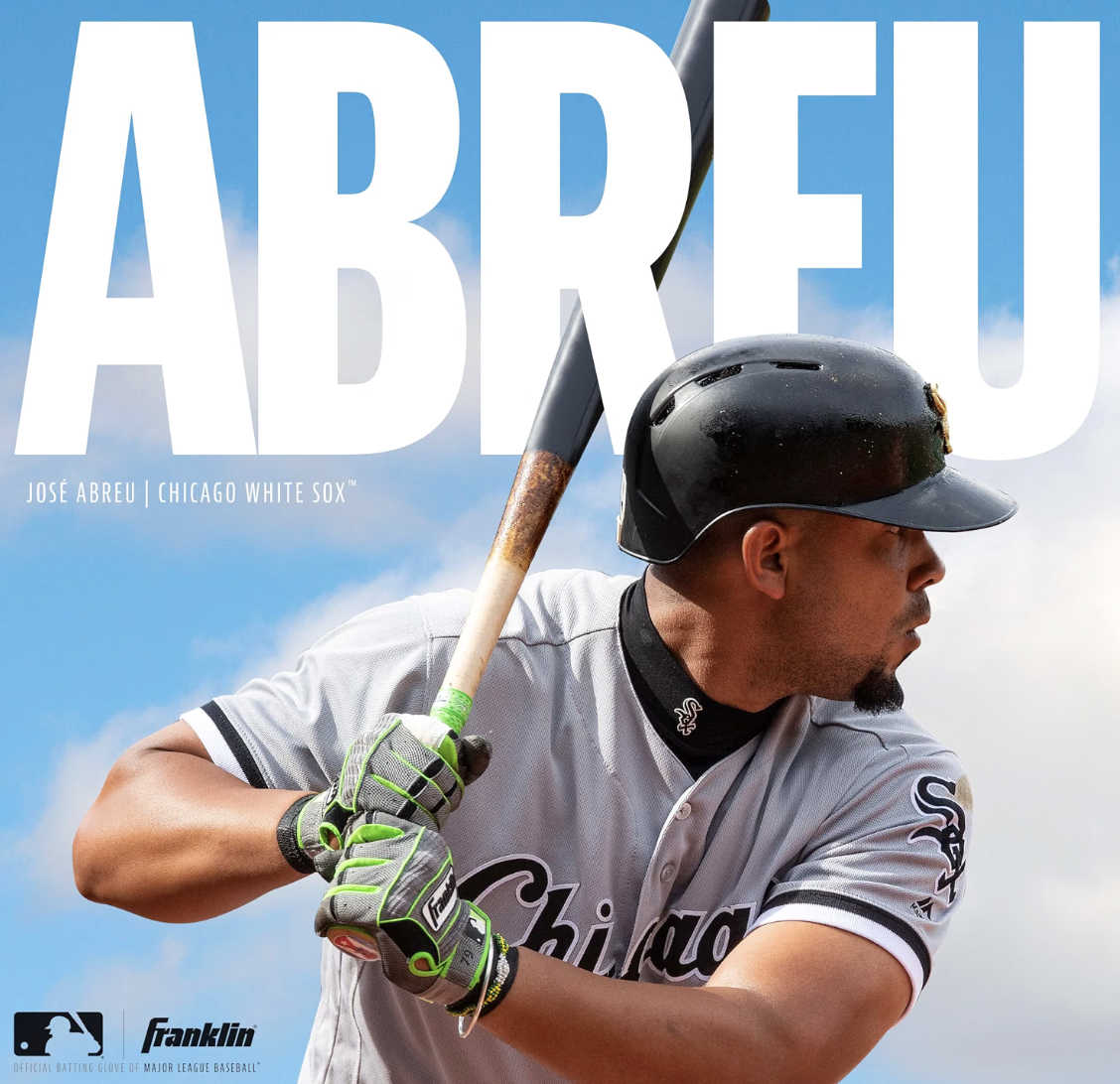
What you need to know about Franklin Sports Batting Gloves
These batting gloves are designed to reduce shock and vibration from the impact of hitting the ball. They feature a comfortable fit and are made with a combination of leather and synthetic materials for durability.
The gloves also have a touch of style with the MLB logo on them. They come in different sizes so that you can find the perfect fit for your hands. The gloves are designed to help you swing for the fences, so you can focus on the task at hand and not your batting gloves. They are made of a combination of synthetic and leather materials that make them durable and comfortable.
What you’ll love about Franklin Sports Batting Gloves
The Franklin Sports MLB Shok-Sorb Neo Batting Gloves are a top-of-the-line product designed to provide exceptional comfort and performance for baseball and softball players. These gloves are made from high-quality synthetic materials that provide excellent durability, flexibility, and breathability.
The gloves feature a unique shock-absorbing system that reduces vibration and helps prevent hand fatigue during play. The system consists of a special gel padding in the palm and fingers that helps absorb impact and prevent stinging sensations from hard hits.
The gloves also have a sleek and modern design that offers excellent grip and control of the bat. The textured palm provides a non-slip grip, allowing players to maintain a firm hold on the bat even in wet or slippery conditions.
Rawlings Player Preferred Baseball Glove
Shop Now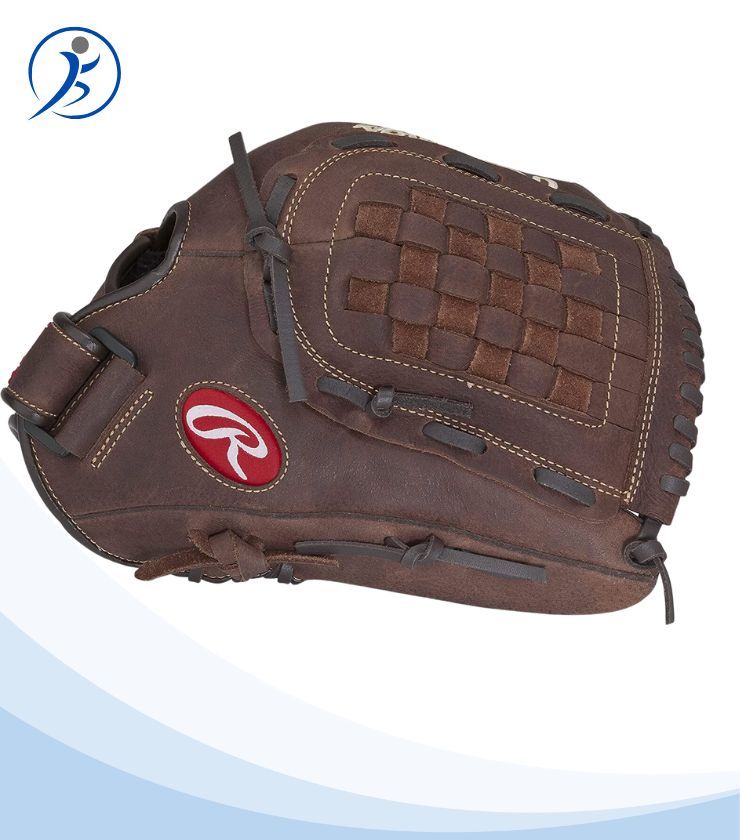
What you need to know about the Rawlings Baseball Glove
Rawlings is a well-known name in the baseball world, and their Player Preferred Baseball Glove is an excellent option for players at any level. This glove is made of full-grain leather, which makes it durable and long-lasting.
It also has a deep pocket and a traditional woven web, making it easy to catch and secure the ball. The glove is available in four different sizes and comes in a variety of colors.
What you’ll love about the Rawlings Baseball Glove
Designed for recreational players of various ages and skill levels, the Player Preferred glove series features quality, full-grain oiled leather shells for easy and quick break-in, and all-leather laces for durability and strength. With popular patterns and styling, the Player Preferred series seamlessly covers baseball, softball, and recreational leagues.
Player-preferred gloves are designed for players of various ages and skill levels but are recommended to be used in recreational baseball and slowpitch softball. These gloves let players scoop up grounders and grab fly balls with relative ease.
With the soft, flexible shell and lining materials, catching is made easy with the Player Preferred Glove series. An 80% factory break-in means the glove is game-ready right out of the box and requires little player break-in!
Easton Walk-Off Batting Helmet
Shop Now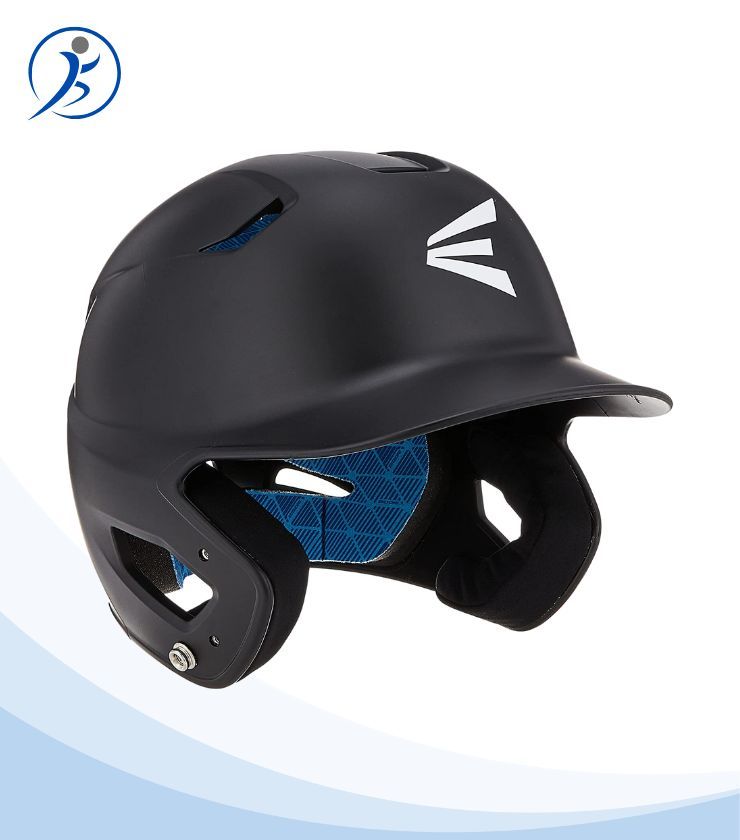
What you need to know about the Easton Walk-Off Batting Helmet
Safety is a top priority in baseball, and the Easton Walk-Off Batting Helmet provides just that. It has a high-impact-resistant ABS shell and a dual-density foam liner that absorbs shock and provides comfort. The helmet also has a sleek design and comes in various colors, so you can choose one that matches your team's colors.
What you’ll love about the Easton Walk-Off Batting Helmet
Easton's popular Z5 batting helmet has gotten an upgrade; the high-impact-resistant ABS shell has been engineered for maximum protection, while the padded dual-density foam liner works to absorb shock on impact. BioDri padded inner liner keeps players dry and cool while at the plate and on the bases.
High-impact-resistant ABS Thermoplastic Shell provides maximum protection at the plate. Dual-density foam liner for shock absorption and comfort.
Under Armour Victory Series Catching Kit
Shop Now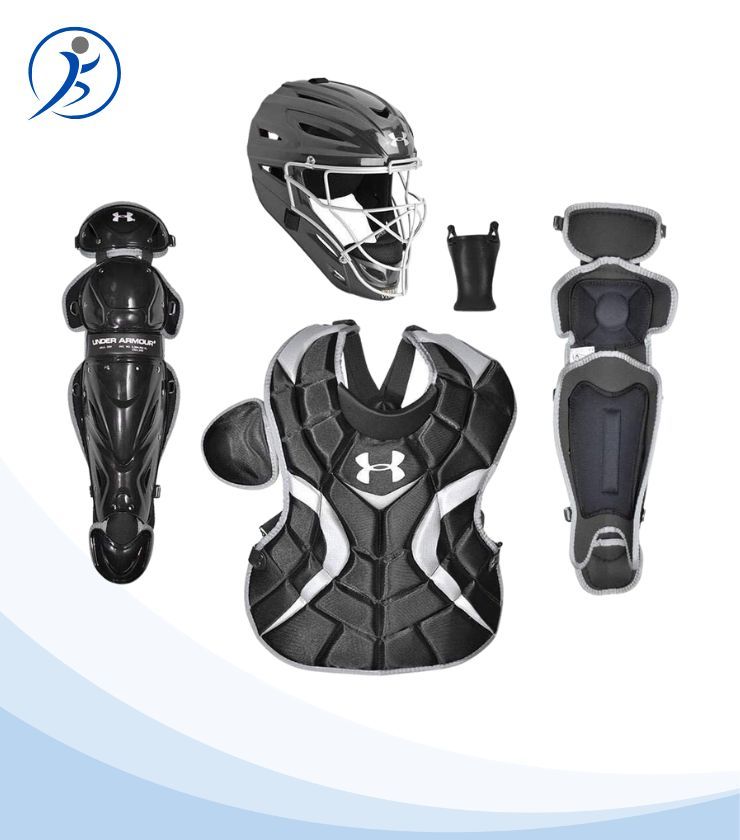
What you need to know about the Under Armour Catching Kit
Catcher's gear is essential for anyone playing the position. The Champro Sports Pro-Grade Catcher's Gear Set comes with everything you need to stay protected and comfortable behind the plate. The set includes a hockey-style catcher's helmet, a chest protector, and leg guards.
The helmet has a durable ABS shell and comfortable foam padding, while the chest protector and leg guards have multi-layered foam padding for optimal protection.
What you’ll love about the Under Armour Catching Kit
Gear up with the new NOCSAE-approved intermediate PTH Victory Series baseball catcher's package from Under Armour. Under Armour is one of the most preferred brands for Major League catchers. Featuring the PTH Victory Series hockey-style catcher's mask along with a NOCSAE-approved PTH Victory Series chest protector and leg guards. Also includes a catcher's throat guard.
The PTH Victory Series catcher's set offers superior protection and comfort, plus a professional look.
Mens Baseball Accessories FAQs
Q: What equipment is necessary for baseball?
Answer: To play baseball, several pieces of equipment are necessary for both performance and safety. These include:
- Baseball Glove: A baseball glove is a crucial piece of equipment for any player. It is used to catch and field the ball and can come in various sizes and materials depending on the player's position and preference.
- Batting Helmet: A batting helmet is necessary to protect the batter's head from potential injuries caused by a wild pitch or a hit by a pitch. It is important to ensure that the helmet fits securely and has a faceguard to protect the face.
- Baseball Bat: A baseball bat is used to hit the ball and can come in various sizes and materials. It's important to choose a bat that is appropriate for the player's size and skill level.
- Catcher's Gear: For players in the catcher position, a set of catcher's gear is necessary to protect them from potential injuries. The gear includes a helmet, chest protector, and leg guards.
- Baseballs: Baseballs are the essential equipment needed to play the game. The balls can come in various sizes and materials depending on the level of play.
- Cleats: Cleats are shoes with special soles designed to provide traction on the playing surface, helping players maintain their balance and avoid slipping.
- Batting Gloves: Batting gloves provide extra grip and protection for the hands while swinging the bat.
- Protective Cup: A protective cup is necessary for male players to protect the groin area from potential injuries caused by a wild pitch or a hit by a pitch.
These are some of the essential pieces of equipment needed to play baseball. It's important to ensure that all equipment is of high quality and fits securely to ensure maximum performance and safety on the field.
Q: How much equipment do you need for baseball?
Answer: The amount of equipment needed for baseball depends on the player's position and the level of play. However, at a minimum, a player will need a baseball glove, a baseball bat, and a baseball to play the game.
For safety purposes, players may also need a batting helmet, protective cup, and cleats. Catchers require additional equipment such as a chest protector, leg guards, and a catcher's helmet.
In organized leagues, teams may have additional equipment such as batting cages, pitching machines, and training aids. Coaches may also have equipment such as scorebooks, stopwatches, and clipboards.
Overall, the amount of equipment needed for baseball varies depending on the player's position and the level of play, but at a minimum, a player will need a glove, bat, and ball to play the game.
Q: What three pieces of equipment do you need for baseball?
Answer: The three essential pieces of equipment needed to play baseball are a baseball glove, a baseball bat, and a baseball. These three pieces of equipment are necessary for playing the game, as the glove is used to catch and field the ball, the bat is used to hit the ball, and the baseball is the object that is hit and fielded.
Other equipment such as batting helmets, catcher's gear, cleats, and protective cups can provide added safety and performance benefits, but a baseball glove, a baseball bat, and a baseball are the minimum necessary equipment for playing the game.
Q: What do professional baseball players wear?
Answer: Professional baseball players typically wear a standard uniform consisting of a team jersey, pants, socks, and a cap. The jersey usually displays the team name or logo on the front and the player's number on the back.
The pants are typically either white or gray, and the socks are usually long, colored to match the team's colors, and pulled up to just below the knee. The cap displays the team's logo and is worn to protect the player's eyes from the sun.
In addition to the standard uniform, players may wear additional equipment such as batting helmets, batting gloves, and cleats. Catchers also wear specialized gear such as a chest protector, leg guards, and a catcher's helmet.
Players may also wear protective gear to prevent injuries. For example, pitchers may wear a protective guard on their throwing arm to protect against line drives, and some players may wear shin guards to protect against sliding.
Overall, professional baseball players wear a standard uniform consisting of a team jersey, pants, socks, and a cap, with additional equipment worn for protection and performance purposes.
Q: What body parts do baseball players use?
Answer: Baseball players use several body parts to play the game. Here are some examples:
- Arms: Throwing and pitching are essential baseball skills, and players use their arms to throw the ball to teammates or pitch to the opposing team.
- Legs: Running is an important skill in baseball, and players use their legs to run the bases, chase after fly balls, and make quick movements on the field.
- Hands: Catching and fielding are important baseball skills, and players use their hands to catch the ball and make plays on the field.
- Eyes: Visual perception is crucial in baseball, and players use their eyes to track the ball, judge its speed and trajectory, and make quick decisions on the field.
- Core: The core muscles, including the abdominals and lower back, provide stability and support for the body during throwing, hitting, and fielding actions.
- Shoulders: The shoulder muscles are heavily involved in throwing and pitching, and players rely on these muscles for power and accuracy.
Overall, baseball players use a combination of their arms, legs, hands, eyes, core, and shoulders to play the game effectively.
Key Takeaways!
In conclusion, men's baseball accessories play a vital role in the game of baseball, providing both performance-enhancing and safety features. From gloves and helmets to catcher's gear and bags, there are a wide variety of accessories available to suit every player's needs and preferences. When shopping for baseball accessories, it's important to consider factors such as quality, fit, comfort, safety, brand, and budget to ensure that you make the best possible purchase. With the right gear in hand, you can elevate your game, protect yourself from potential injuries, and enjoy the sport to the fullest.
Must-Read Articles for Sports Enthusiasts
- 10 Reasons Why Little League Baseball Is the Ultimate American Pastime
- Outdoor Pickleball Balls That Will Take Your Game to the Next Level!
- Reasons Owning a Ping Pong Table Will Be Your Best Purchase
- Unlock Your Inner Pro: Best Pickleball Paddle For Control Revealed!
- 4 Must-Have Pickleball Accessories - Take Your Game to the Next Level!