
Improve Gut Health at Home - Simple Tips for Better Digestion
Improve gut health at home with simple habits, gut-friendly foods, natural remedies, and a daily routine designed to beat bloating and boost digestion.
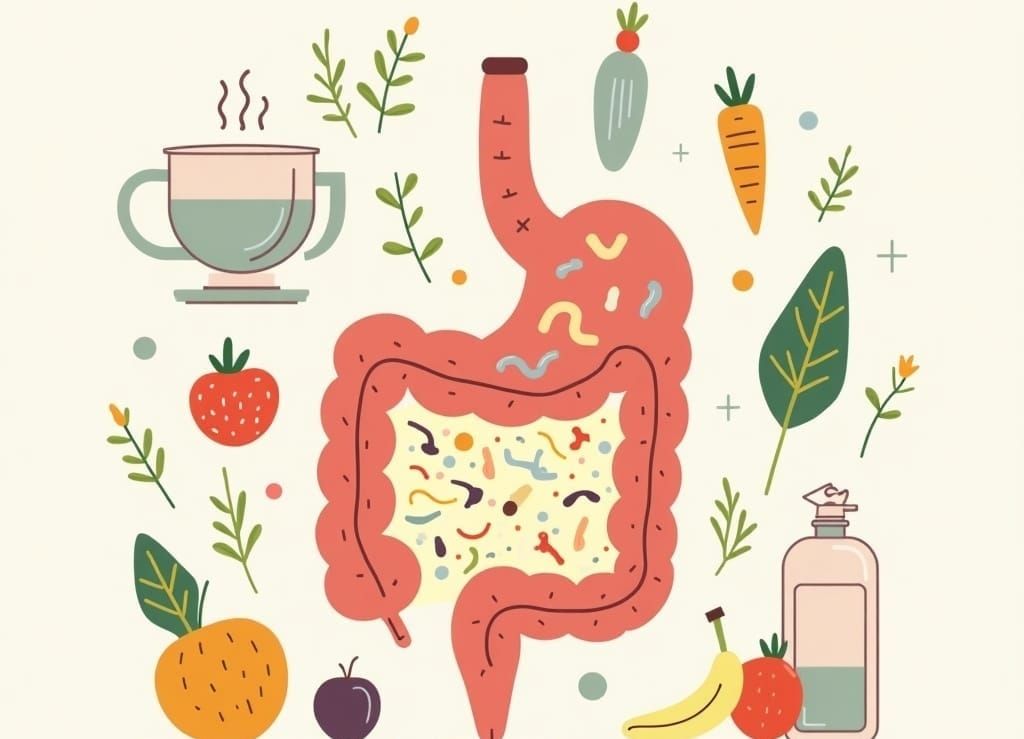
Your gut controls more than digestion — it influences your mood, immunity, sleep, hormones, and even how much energy you feel day to day. The good news? You don’t need expensive treatments or complicated routines to see real improvements.
With simple home habits, gut-friendly foods, and smarter daily routines, you can improve your gut health naturally and start feeling better within weeks.
This guide breaks down everything you need to support a healthier gut from home, backed by science and designed for busy lifestyles.
⭐ Why Gut Health Matters
Why So Many People Struggle at Home
What is gut health?
Your gut is home to trillions of bacteria, known as your microbiome. When these bacteria are balanced, digestion works smoothly, energy improves, and inflammation stays low.
Signs your gut may be out of balance
- Bloating
- Gas
- Constipation or diarrhea
- Fatigue
- Sugar cravings
- Skin issues
- Brain fog
Why at-home habits affect gut health
Working, eating, and living at home means:
- More sitting
- More snacking
- Less routine
- Increased stress
- Irregular sleep
All of these directly influence digestion and microbiome health.
⭐ Daily Habits That Improve Gut Health at Home
Start your morning with hydration
Drinking warm water helps stimulate digestion and prepares your stomach for food.
Goal: 2–3 glasses of water within your first hour awake.
Create regular meal times
Your gut has an internal clock. Eating at random times disrupts digestion.
Try to:
- Eat meals at consistent times
- Avoid skipping meals
- Stop eating 2–3 hours before bed
Add fiber the right way
Fiber feeds healthy gut bacteria — but increase it slowly.
Great sources:
- Apples
- Berries
- Oats
- Lentils
- Leafy greens
Move every 60–90 minutes
Movement improves blood flow to the digestive tract.
Try:
- A 3–5 minute walk
- Light stretching
- Torso twists
- Deep breathing
Watch your stress levels
Stress and digestion are deeply connected.
At-home stress reducers:
- 3-minute deep breathing
- Short meditation
- Stepping outside for sunlight
- Listening to calming music
⭐ Best Gut-Friendly Foods You Can Eat at Home
Probiotic foods
These add good bacteria to your gut:
- Greek yogurt
- Kefir
- Sauerkraut
- Kimchi
- Tempeh
Prebiotic foods
These feed your healthy bacteria:
- Bananas
- Garlic
- Onions
- Oats
- Flaxseed
Easy gut-friendly meals
- Oatmeal with berries
- Greek yogurt with honey and chia
- Stir-fry with veggies and lean protein
- Lentil soup
- Smoothies with banana, spinach, and kefir
Foods that worsen bloating
- Carbonated drinks
- Fried foods
- Excess sugar
- Heavy dairy
- Ultra-processed snacks
⭐ Simple Home Remedies for Bloating and Indigestion
Bloating and indigestion can make even the simplest day feel uncomfortable. Thankfully, you don’t need expensive treatments to get relief — a few natural at-home remedies can calm your digestive system and help your gut function more smoothly. Below are effective, science-backed techniques you can easily use at home.
⭐ 1. Ginger Tea (Most Effective Remedy)
Ginger is one of the most powerful natural digestive aids. It helps relax the muscles of the gastrointestinal tract, reduces inflammation, speeds up gastric emptying, and eases gas buildup — making it ideal for bloating, nausea, or indigestion.
Ingredients
- 1–2 inches of fresh ginger root
- 1–2 cups of filtered water
- Optional: honey, lemon, or peppermint leaves
Step-by-Step Technique
Step 1: Prepare the Ginger
- Wash a fresh piece of ginger.
- Peel it lightly using a spoon (optional — the skin is edible).
- Slice it into thin coins or grate it for a stronger brew.
Step 2: Boil the Water
- Bring 1–2 cups of water to a gentle boil in a pot or kettle.
Step 3: Simmer the Ginger
- Add the ginger slices to the boiling water.
- Reduce the heat to low and simmer for 10–15 minutes.
- A longer simmer yields stronger tea and greater relief.
Step 4: Strain and Serve
- Strain the tea into a cup.
- Add optional ingredients:
- Honey → extra soothing
- Lemon → enhances digestion
- Peppermint → great for gas and cramping
Step 5: Drink at the Right Time
- Drink before or after meals to support digestion.
- Avoid drinking on an empty stomach if you are sensitive to ginger.
How Often to Use It
- 1–2 times per day when bloated
- As needed after heavy meals
- Long-term use is safe in most cases
⭐ 2. Peppermint Tea (For Gas + Cramping)
Peppermint relaxes the muscles of the digestive system, helping trapped gas move naturally.
How to Use
- Steep 1 peppermint tea bag or 1 tbsp dried peppermint in hot water for 5–7 minutes.
- Drink after meals or before bedtime. Stimulates the digestive system to begin functioning
- Gas
- Cramps
- Indigestion
- IBS-related bloating
⭐ 3. Warm Lemon Water (Stimulates Digestion)
Lemon water increases stomach acid and stimulates the digestive system to begin functioning.
How to Use
- Squeeze half a lemon into warm (not hot) water.
- Drink first thing in the morning or 20 minutes before meals.
Best For
- Morning bloating
- Constipation
- Slow digestion
⭐ 4. Heating Pad Technique (Relieves Cramping)
Heat increases blood flow to the stomach area, helping muscles relax and reducing painful bloating.
How to Use
- Place a heating pad or warm towel on your abdomen for 10–20 minutes.
- Use after meals or when discomfort begins.
Best For
- Cramping
- Gas pain
- PMS-related bloating
⭐ 5. Abdominal Massage (Moves Trapped Gas)
A gentle, clockwise massage follows the direction of your intestines and helps move trapped gas.
How to Do It
- Place your hands on your lower right abdomen.
- Move them slowly up to your ribs, across to the left side, then downward.
- Apply light to moderate pressure.
- Continue for 3–5 minutes.
Best For
- Gas pain
- Constipation
- Upper abdominal pressure
⭐ 6. Simple Home Stretching Sequence (10 Minutes)
Movement activates intestinal muscles, allowing gas and food to pass more easily.
Try These Moves
- Cat-Cow pose (10 reps) – relieves tightness
- Child’s pose (1 minute) – reduces stomach pressure
- Seated or lying twists (10 reps) – excellent for gas movement
- Knee-to-chest pose (1 minute each) – reduces bloating quickly
Best For
- After meals
- Morning bloating
- Sedentary lifestyles
⭐ 7. Hydration Technique (for Constipation + Bloating)
Dehydration is one of the most common causes of bloating.
How to Follow
- Drink 1 glass of warm water before breakfast.
- Sip water throughout the day → aim for 6–8 glasses.
- Add electrolytes if dehydrated.
Avoid
- Ice-cold water (can slow digestion).
Constipation relief
- Increase water
- Add chia/flaxseed
- Warm lemon water
- 10-minute walk after meals
⭐ Improve Gut Health While Working From Home
Many people notice their digestion becomes worse when working remotely. The main reasons:
- Sitting too long
- Irregular meals
- Stress
- More snacking
How sitting affects digestion
Long sitting compresses abdominal organs and slows movement through the intestines.
Best posture for gut health
- Keep feet flat
- Use lumbar support
- Lean back slightly (100–110 degrees)
- Avoid slouching
Snack ideas for remote workers
Swap these:
- Chips → Nuts
- Ice cream → Greek yogurt
- Cookies → Berries
- Soda → Flavored water
Desk exercises
- Torso rotations
- Seated marches
- Shoulder rolls
- Standing stretch breaks
⭐ Common Gut Health Mistakes People Make at Home
- Eating too quickly
- Snacking late at night
- Drinking too little water
- Overusing sugary snacks for energy
- Overthinking supplements
Simple fixes make a big difference.
⭐ Supplements That May Support Gut Health (Use Carefully)
Probiotics
Helpful after antibiotics, stress, or poor diet — not always needed daily.
Physician's CHOICE Probiotics 60 Billion CFU

This probiotic contains 10 diverse high-quality probiotic strains and organic prebiotics - synergistically working together to support your gut health. Expertly crafted to support occasional constipation, diarrhea, gas & bloating!
Digestive enzymes
Useful for people with low stomach acid or food intolerances.
Physician's CHOICE Digestive Enzymes for Bloating & Digestion

This powerful digestive enzyme aids in breaking down food while the prebiotics & probiotics promote digestive function in the gut. They work synergistically to provide relief from mealtime discomfort.
When to avoid supplements
- Severe symptoms
- Recent health changes
- If you’re unsure about interactions
Always consult a healthcare professional if in doubt.
⭐ When to See a Doctor
If you experience:
- Unexplained weight loss
- Persistent stomach pain
- Blood in stool
- Ongoing constipation/diarrhea
- Severe bloating
These require medical attention.
⭐ 7-Day Gut Health Home Routine (Sample Plan)
Day 1–7:
- Morning: Warm lemon water + 5-minute walk
- Breakfast: High-fiber meal
- Lunch/dinner: Half plate of vegetables
- Afternoon: Herbal tea
- Breaks every 60–90 minutes
- No meals after 8 pm
- Stretching before bed
- 7–8 hours of sleep
Stick to this routine for 2–4 weeks for best results.
FAQs
Q: What is the fastest way to improve gut health?
The fastest way to improve gut health is to reduce inflammation and support healthy gut bacteria immediately — and you can start seeing benefits within 24–72 hours by focusing on a few high-impact changes.
Here’s what works quickest (and is backed by research + real-world experience):
1. Start Your Day With Warm Lemon Water
This simple habit hydrates your digestive system, stimulates stomach acid, and helps your gut “wake up.”
Result: Less bloating and smoother digestion within a day.
2. Add Fermented Foods (Probiotics) Right Away
Foods like Greek yogurt, kefir, sauerkraut, kimchi, and kombucha deliver live healthy bacteria directly to your gut.
Result: Many people notice improved digestion and reduced gas in 1–3 days.
3. Increase Prebiotic Fiber (Slowly)
Healthy gut bacteria need to be fed. Good prebiotic sources include:
- Bananas
- Oats
- Garlic
- Onions
- Chia seeds
- Flaxseed
Result: Better bowel movements and reduced bloating within 48 hours — as long as you increase fiber gradually.
4. Drink Enough Water (Hydration = Digestion)
Dehydration slows everything down, especially your intestines.
Aim for 6–8 glasses a day and watch for improvement in regularity, bloating, and comfort.
Result: Constipation relief and reduced bloating in 24 hours.
5. Reduce the Foods That Trigger Inflammation Immediately
Avoid — even temporarily — the foods most linked to bloating and stomach discomfort:
- Processed snacks
- Sugary foods
- Fried food
- Soda/carbonated drinks
- Heavy dairy
- Artificial sweeteners
Result: Many people notice a flatter stomach by the next day.
6. Move Your Body Every 60–90 Minutes
Gentle movement stimulates blood flow and speeds up digestion.
Try:
- A short walk
- Stretching
- Torso twists
- Breathing exercises
Result: Reduced gas and bloating within hours.
7. Drink Ginger or Peppermint Tea
These are the fastest herbal remedies for digestion.
- Ginger reduces inflammation and speeds gastric emptying.
- Peppermint relaxes digestive muscles and eases trapped gas.
Result: Relief from bloating and indigestion in 30–60 minutes.
8. Get 7–8 Hours of Sleep
Your gut repairs itself at night. Even one good night of sleep lowers inflammation.
Result: Noticeable improvement in digestion and energy the next morning.
Fastest Combination (Do These Today)
If you want the quickest results, do this simple routine:
Morning:
- Warm lemon water
- Light stretching
- High-fiber breakfast (oats + berries)
Afternoon:
- Ginger or peppermint tea
- 10-minute walk after lunch
Evening:
- Avoid heavy, late-night meals
- Hydrate
- Sleep 7–8 hours
Most people notice a difference in 24–48 hours, and a significant improvement within 1 week.
Q: What is a 7-day gut reset?
Answer: A 7-day gut reset is a short, structured wellness plan designed to calm your digestive system, rebalance gut bacteria, reduce bloating, and give your gut a “fresh start.” It’s not a detox or a harsh cleanse — it’s a gentle reset that focuses on nourishing foods, consistent routines, and lifestyle habits that help your gut function better within a week.
Think of it as giving your digestive system the break it needs from stress, irregular eating, and processed foods that often overwhelm the gut.
⭐ What a 7-Day Gut Reset Typically Includes
A good gut reset focuses on four pillars:
1. Gut-Friendly Foods
You’ll eat foods that support digestion and healthy microbiome balance, such as:
- High-fiber fruits and vegetables
- Whole grains like oats and quinoa
- Fermented foods (yogurt, kefir, sauerkraut)
- Lean proteins
- Hydrating foods like cucumber and celery
- Herbal teas (ginger, peppermint)
These help feed healthy gut bacteria and reduce inflammation.
2. Removing Trigger Foods
For just one week, you temporarily cut back on foods that commonly cause bloating:
- Sugar
- Fried foods
- Carbonated drinks
- Heavy dairy
- Refined carbs
- Processed snacks
- Alcohol
This gives the gut a chance to rest and repair.
3. Simple Daily Habits
To help digestion run smoothly, a gut reset includes gentle lifestyle changes such as:
- Drinking warm water in the morning
- Walking for 10 minutes after meals
- Eating at consistent times
- Getting 7–8 hours of sleep
- Taking stretch breaks every 60–90 minutes
- Practicing stress-reducing breathing techniques
These habits are crucial because stress, poor sleep, and long periods of sitting all worsen gut symptoms.
4. Natural Remedies
A gut reset usually incorporates simple home remedies to calm bloating and indigestion, such as:
- Ginger tea
- Peppermint tea
- Lemon water
- Light abdominal massage
- A heating pad for cramps
- Gentle yoga twists
These help reduce gas, soothe inflammation, and improve gut motility.
⭐ What a 7-Day Gut Reset Can Help Improve
Most people notice improvements such as:
- Less bloating
- Better bowel movements
- Reduced gas
- Improved energy
- Clearer skin
- Fewer sugar cravings
- Better mood (thanks to the gut-brain connection)
Since the gut resets its rhythm quickly when supported properly, even one week can make a noticeable difference.
⭐ Example of a Simple 7-Day Gut Reset Routine
Morning:
✔ Warm lemon water
✔ Light stretching
✔ Fiber-rich breakfast (oats, berries, chia)
Midday:
✔ Balanced lunch with vegetables + lean protein
✔ 10-minute walk
Afternoon:
✔ Herbal tea (ginger/peppermint)
✔ Snack: yogurt, fruit, or nuts
Evening:
✔ Simple dinner — veggies + whole grains
✔ No eating 2–3 hours before bed
✔ Deep breathing for stress relief
Repeat this daily for 7 days.
⭐ Key Takeaways
Improving gut health at home isn’t complicated. By adjusting your meals, movement, stress, and daily habits, you can create a healthier gut—and a healthier you—with small, consistent steps.