
Stop Fearing the Fuel: Why Carbohydrates are Essential for Elite Performance
Fuel your fitness: Discover how the right carbs drive peak performance, muscle recovery, and longevity using modern science and advanced biohacking tools.

In the world of modern nutrition, carbohydrates are perhaps the most misunderstood and unfairly maligned macronutrient. From the keto craze to low-carb "biohacking" trends, many fitness enthusiasts have been led to believe that carbs are the enemy. However, if you are looking to push your physical limits—whether that’s hitting a new PR in the weight room, training for a marathon, or maintaining high energy levels during a grueling HIIT session—carbohydrates are not just beneficial; they are essential.
This comprehensive guide explores the physiological role of carbohydrates, how they fuel different types of exercise, and how you can optimize your intake using modern nutritional technology.
1. The Physiology of Fuel: Why Carbs are King
To understand why carbohydrates are the preferred fuel source for high-intensity exercise, we must look at how the body produces energy (ATP).
While the body is incredibly efficient at burning fat for fuel during low-intensity activities (like walking or sitting at a desk), fat oxidation is a slow process. It requires significant oxygen and time. Carbohydrates, stored in the muscles and liver as glycogen, can be broken down much faster.
The Glycogen Reservoir
Your body has a limited capacity to store carbohydrates. An average adult stores approximately:
- 400-500 grams in the skeletal muscles.
- 100 grams in the liver.
- A small amount of free glucose in the bloodstream.
When these stores are depleted, athletes experience the "bonk" or "hitting the wall." Your perceived exertion skyrockets, your power output drops, and your coordination falters.
2. Fuelling for Different Workout Modalities
Not all workouts require the same "carb load." Understanding the intensity and duration of your session is key to nutritional timing.
High-Intensity Interval Training (HIIT) & Sprinting
During anaerobic exercise, your body relies almost exclusively on glucose. Without adequate carbohydrate availability, you simply cannot reach the "peak" intensity required to trigger the metabolic adaptations these workouts are famous for.
Strength Training & Hypertrophy
While lifting weights is often seen as "less aerobic," it is highly glycolytic. Every set of 8–12 reps drains local muscle glycogen. Adequate carbs post-workout also trigger an insulin response, which is one of the body’s most potent anabolic (muscle-building) signals, helping to shuttle amino acids into the muscle cells.
Endurance & Ultra-Endurance
For efforts lasting longer than 90 minutes, exogenous (external) carbohydrate intake becomes the limiting factor for performance. The gut can typically process about 60–90 grams of carbohydrates per hour.
3. The "Quality" Debate: Simple vs. Complex Carbs
In the context of performance, the "Simple vs. Complex" debate takes on a different meaning than it does for general weight loss.
- Complex Carbohydrates (Oats, Sweet Potatoes, Brown Rice): These should form the backbone of your daily diet. They provide sustained energy release and fiber, which support gut health and prevent insulin spikes during sedentary hours.
- Simple Carbohydrates (Glucose, Fructose, Maltodextrin): These are "performance tools." Consuming fast-acting sugars immediately before or during a workout provides an instant glucose spike to the bloodstream, sparing your internal glycogen stores for later in the session.
4. Biohacking Your Nutrition: Modern Tools for Optimization
We are currently in a golden era where technology allows us to see exactly how our bodies respond to carbohydrate intake in real-time.
Continuous Glucose Monitors (CGM)
Originally designed for diabetics, CGMs (like the Supersapiens or Nutrisense systems) are now being used by elite athletes to track "Glucose Visibility." By seeing how specific meals affect your blood sugar levels, you can time your pre-workout meal to hit the "glucose peak" exactly when you start your training.
HRV Tracking (The Oura Ring connection)
As discussed in our lifestyle reviews, tools like the Oura Ring track Heart Rate Variability (HRV). If your HRV is low, it’s a sign of systemic stress. Often, a "re-feed" day higher in complex carbohydrates can help lower cortisol levels and bounce your HRV back into the green, signaling that your body is recovered and ready to train again.

Recommended Products for Optimal Fueling
To help you implement these strategies, we have selected three products that represent the "gold standard" in workout nutrition and monitoring.
MAURTEN Gel 100 Energy Gel

Unlike conventional syrup mixes, Gel 100 100 is a hydrogel with a unique fructose to glucose ratio (0.8:1). Contains 25g of carbohydrates per serving, ideally designed for endurance sports like long-distance running, cycling, and triathlon. Enables intake of 100g of carbohydrates per hour.
Sports Nutrition Carbo Gain Powder
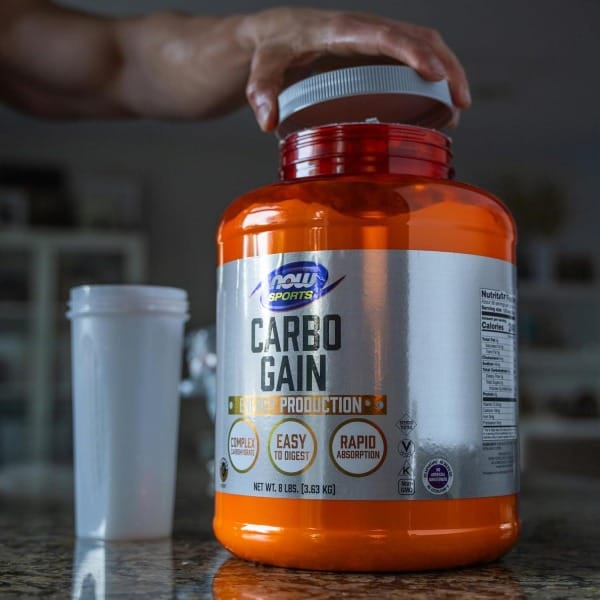
As someone who trains regularly and needs a quick energy boost during longer workouts, this Nutrition Carbo Gain Powder is a practical addition to my routine. The powder mixes easily into shakes or water and provides a fast-absorbing carbohydrate source that helps replenish energy during or after intense sessions.
Because it’s made from pure maltodextrin derived from non-GMO corn, it digests quickly and doesn’t feel heavy on the stomach, which is important when you’re training hard. I also appreciate that NOW Sports tests its products thoroughly, giving some confidence in the purity and quality. In my view, it’s a solid option for athletes, endurance runners, or anyone looking for a convenient way to support energy production and recovery without complicated ingredients. 💪
Organic Honey Waffle for Exercise & Endurance

As a regular gym-goer and someone who values quick, effective fuel, I find it to be a practical and enjoyable energy snack, especially before workouts or endurance sessions like running or cycling. From a user’s perspective, what stands out is how easy it is to digest and how it provides a quick yet steady release of energy thanks to its carbohydrate-rich honey-based composition, helping delay fatigue without feeling heavy.
The soft texture and natural sweetness make it far more appealing than gels or bars, and it’s convenient to carry whether you're heading to the gym or training outdoors. That said, I’d still treat it as a performance snack rather than a complete nutrition source since it’s primarily carbs with limited protein, but overall, it’s a reliable go-to for boosting energy when you need it most.
FAQs
Q: Should I do "Fasted Cardio" to burn more fat?
Answer: “Fasted cardio” (doing cardio on an empty stomach, usually in the morning) sounds like a shortcut to fat loss—but the reality is a bit more nuanced.
Yes, when you exercise in a fasted state, your body may rely slightly more on fat for fuel during that session. However, from a practical, real-world perspective, total fat loss over time is what matters—and that comes down to your overall calorie balance, not just whether you ate before your workout. Studies consistently show that fat loss is similar whether you do cardio fasted or fed, as long as your total daily calories and training are consistent.
From my point of view as someone focused on sustainable fitness, fasted cardio can work if it suits you. Some people enjoy it because it feels lighter and fits their routine. But for many, it can reduce workout intensity, make you feel sluggish, or even lead to muscle loss if you’re not careful—especially if you’re doing longer or high-intensity sessions.
A smarter approach is to prioritise consistency and performance. If eating a small snack before cardio helps you train harder and longer, that will likely give you better results over time. On the other hand, if you feel good training fasted and it helps you stay consistent, it’s perfectly fine to continue.
Bottom line: fasted cardio is a tool—not a magic solution. Fat loss comes from a consistent calorie deficit, proper training, and recovery. Choose the approach that helps you stick to your routine and perform your best.
Q: How many carbs do I need daily?
Answer: The amount of carbohydrates you need daily really depends on your lifestyle, activity level, and overall health goals. There’s no one-size-fits-all number.
In general, dietary guidelines suggest that carbs should make up about 45–65% of your total daily calories, which translates to roughly 225–325 grams per day for someone eating 2,000 calories. However, if you’re highly active, especially doing endurance training or regular gym workouts, your body may require more carbs to fuel performance and recovery.
On the other hand, if your goal is weight loss or you follow a low-carb approach, your intake may be lower—but it’s important not to cut carbs too drastically, as they are your body’s primary energy source.
The key is to focus on quality over quantity by choosing whole, nutrient-dense carbs like fruits, vegetables, whole grains, and legumes, while limiting refined sugars and processed foods. Ultimately, the “right” amount is the one that supports your energy levels, performance, and overall well-being.
Q: Do carbs cause inflammation?
Answer: Carbs don’t automatically cause inflammation—it really depends on the type and how they’re consumed. From both a practical and nutritional standpoint, whole, unprocessed carbohydrates like fruits, vegetables, legumes, and whole grains are actually associated with lower inflammation because they’re rich in fiber, antioxidants, and essential nutrients that support gut health and reduce oxidative stress.
On the other hand, highly refined carbs—think sugary snacks, white bread, and ultra-processed foods—can contribute to inflammation when eaten in excess, mainly because they spike blood sugar levels and may lead to insulin resistance over time. In my view, carbs themselves aren’t the problem; it’s the quality and quantity that matter. If you focus on balanced, whole-food sources and pair them with protein and healthy fats, carbs can be a valuable part of an anti-inflammatory diet rather than something to avoid.
Final Thoughts
Carbohydrates are the high-octane fuel that allows the human machine to perform at its peak. By moving away from the "all or nothing" mindset and treating carbs as a strategic tool, you can unlock new levels of strength, endurance, and mental clarity.
Stop fearing the fuel. Start timing it.