
Baseball Display Case to Show Off Your Collection Like a Pro!
Baseball display case - An essential item for any baseball fan or collector who wants to showcase their prized possessions.
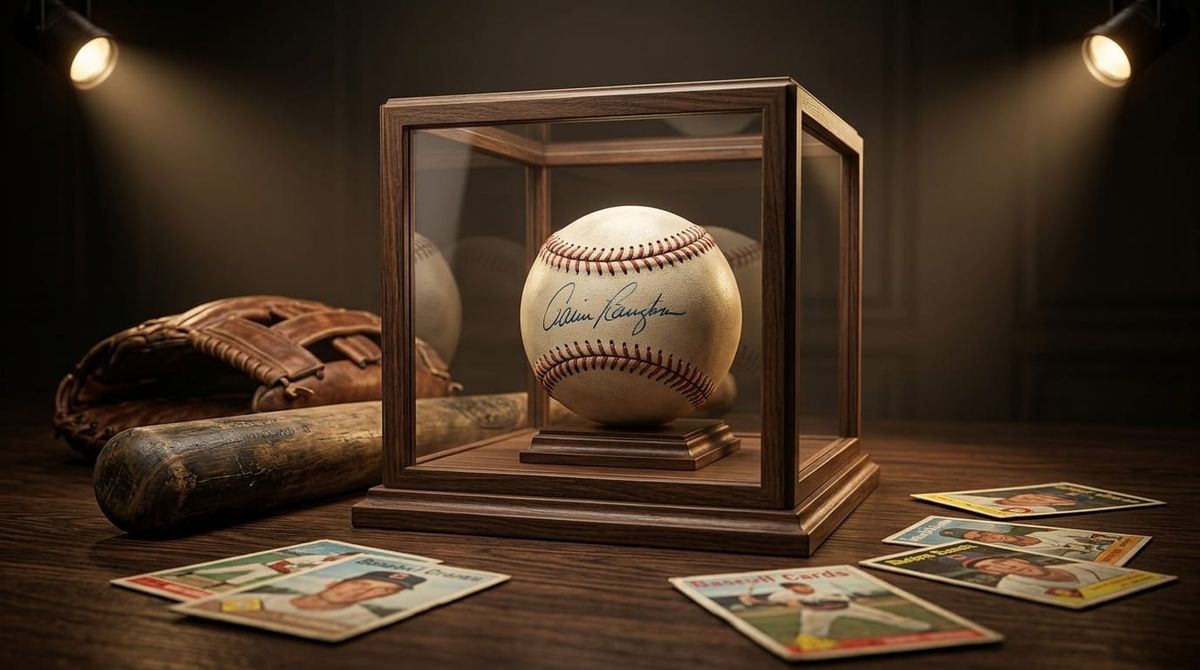
Are you a baseball enthusiast with a growing collection of memorabilia? Do you have a baseball signed by your favorite player, or perhaps a game-winning ball caught during a major league game?
If so, then you need a baseball display case to protect and showcase your prized possessions. A baseball display case is a perfect way to display your treasured baseballs while keeping them safe from dust, moisture, and other environmental factors that could damage them.
In this article, we'll explore the world of baseball display cases and discuss the various types, styles, and materials available to help you choose the perfect one for your collection. From wall-mounted cases to tabletop designs, we'll cover all the essential information you need to make an informed decision. So, if you want to keep your baseball memorabilia safe and show off your collection to friends and family, keep reading!
How to Find the Best Baseball Display Case
A Complete Buyer’s Guide
A baseball can be much more than a piece of sports equipment. It might be a signed ball from your favorite MLB player, a game-used baseball, a championship souvenir, a milestone ball from your own playing career, or a treasured keepsake from your child’s Little League season.
Once a baseball becomes memorabilia, simply putting it on a shelf isn't enough. Dust, sunlight, accidental knocks, humidity and poor-quality display materials can gradually affect both the appearance of the ball and, in the case of autographed memorabilia, the value of the item.
That's where a good baseball display case comes in.
The right case should do more than make a baseball look attractive. It should protect the ball, provide clear visibility, complement your décor, and make it easy to access or rearrange your collection when necessary.
This guide explains how to choose the best baseball display case for your needs, including materials, UV protection, size, security, mounting options, lighting, price, and the differences between cases designed for a single baseball and larger collections.
What Is a Baseball Display Case?
A baseball display case is a protective enclosure designed to showcase one or more baseballs while helping protect them from dust, handling, and environmental exposure.
Cases range from simple clear acrylic cubes designed for a single baseball to larger wooden wall-mounted cabinets capable of holding a dozen or more balls.
For example, current U.S. retail listings include single-ball acrylic cases as well as larger wooden display cases designed for multiple baseballs. Some multi-ball cases also incorporate UV-protective acrylic and locking mechanisms.
The best choice depends primarily on what you're displaying, how valuable it is, and where you intend to display it.
Why Do You Need a Baseball Display Case?
A display case serves several purposes.
1. Protects against dust
An uncovered baseball can quickly collect dust, particularly if displayed on an open shelf.
A closed case makes cleaning your memorabilia considerably easier.
2. Reduces handling
Every time you pick up an autographed baseball, you're potentially exposing it to oils, dirt, and accidental damage.
A display case encourages you to admire the ball without repeatedly handling it.
3. Helps protect against UV exposure
UV exposure can contribute to fading and deterioration of some materials over time.
This is particularly important for autographed baseballs, where preserving the appearance of the signature can be a major consideration.
UV-protective acrylic is now available in many sports-memorabilia display products. For example, current display cases marketed in the U.S. include acrylic panels advertised as providing UV protection.
4. Improves presentation
A well-designed case turns a baseball into a display piece.
It can look particularly effective in:
- Home offices
- Man caves
- Game rooms
- Living rooms
- Sports bars
- Bedrooms
- Trophy rooms
- Collectors' rooms
What Is the Best Type of Baseball Display Case?
There isn't one universally best design.
The right case depends on your collection.
The most common options are:
- Single-ball acrylic case
- Wooden single-ball display case
- Wall-mounted multi-ball case
- Lockable baseball display cabinet
- Baseball and bat display case
- Baseball shadow box
- LED-lit display case
- Custom memorabilia display
Let's look at each.
1. Single Baseball Acrylic Display Case
This is usually the simplest and most affordable option.
A typical single-ball case consists of:
- Clear acrylic enclosure
- Baseball holder or stand
- Base
- Removable top or lid
It's ideal if you have one special baseball.
For example, a collector with one signed MLB baseball probably doesn't need a 12- or 24-ball cabinet.
Advantages
- Affordable
- Compact
- Lightweight
- Easy to clean
- Excellent visibility
- Simple to set up
- Doesn't require wall mounting
Disadvantages
- Limited protection from strong sunlight unless UV protection is specified
- Basic models may feel inexpensive
- Limited room for additional memorabilia
Best for
One special baseball, gift memorabilia or a first-time collector.
2. Wooden Baseball Display Case
Wooden cases are a popular choice for collectors who want something that feels more substantial.
They can provide a more traditional appearance than an all-acrylic case.
Look for:
- Solid wood or quality wood construction
- Clear acrylic or glass panel
- Secure baseball holders
- Quality hinges
- Strong wall-mounting hardware
- UV protection where available
Wooden multi-ball cases currently available in the U.S. market range from compact displays to larger wall-mounted designs holding numerous baseballs.
Advantages
- Premium appearance
- Stronger visual presence
- Suitable for larger collections
- Works well with traditional décor
- Can incorporate multiple display positions
Disadvantages
- Heavier
- More expensive
- Requires stronger mounting
- Takes more wall space
3. Multi-Baseball Display Case
If you're building a collection, buying multiple single-ball cases can quickly become impractical.
A multi-ball case lets you display several baseballs together.
You can find designs accommodating:
- 6 baseballs
- 12 baseballs
- 18 baseballs
- 21 baseballs
- More, depending on configuration
For example, current U.S. listings include cases designed to display up to 12 regulation-size baseballs, while other designs offer substantially more display positions.
Best for
- MLB collectors
- Autographed baseball collections
- Team collections
- Family memorabilia
- Championship collections
4. Lockable Baseball Display Case
If your baseballs are valuable, security becomes more important.
A lockable case can help prevent casual handling or unauthorized access.
Consider a lock if you're displaying:
- Valuable autographs
- Game-used baseballs
- Rare memorabilia
- Historic baseballs
- Large collections
- Collectibles in a public or commercial space
Don't assume that every locking case provides meaningful security, however.
Check:
- Lock quality
- Door construction
- Frame strength
- Mounting system
- Whether the case can be removed from the wall
A lock is useful, but secure mounting is equally important.
5. Baseball and Bat Display Case
Some collectors want to display an entire piece of memorabilia rather than a baseball alone.
A baseball-and-bat display can showcase:
- Signed baseball
- Baseball bat
- Photograph
- Nameplate
- Certificate of authenticity
This can create an impressive focal point in a sports room.
However, these cases are significantly larger and require more wall space.
6. Baseball Shadow Box
A shadow box is ideal when you want to combine a baseball with other memorabilia.
You might display:
- Baseball
- Photograph
- Ticket
- Player card
- Plaque
- Jersey
- Medal
- Nameplate
This approach works particularly well for milestone memorabilia.
For example:
Little League Championship — 2026
Could include the championship baseball, team photograph, and medal.
7. LED Baseball Display Case
Lighting can make a display substantially more attractive.
Some current baseball cases incorporate USB-powered LED lighting alongside UV-protective acrylic.
Advantages
- Makes memorabilia stand out
- Works well in dark rooms
- Creates a premium appearance
- Can become a focal point
Things to check
- LED heat output
- Power connection
- Cable management
- Brightness
- Light colour
- Ability to replace LEDs
- Whether lighting is optional
For valuable memorabilia, don't choose lighting solely because it looks impressive. Consider the effect of prolonged light exposure on the baseball and signature.
Glass vs Acrylic: Which Is Better?
One of the biggest buying decisions is the transparent front material.
You'll typically encounter:
Glass
or
Acrylic/plastic
Both have advantages.
| Feature | Glass | Acrylic |
|---|---|---|
| Clarity | Excellent | Excellent |
| Weight | Heavy | Lightweight |
| Impact resistance | Lower | Generally higher |
| Scratch resistance | Good | More susceptible to scratching |
| Safety | Can break | Less likely to shatter |
| Cleaning | Easy | Requires care |
| Large displays | Heavy | Easier to handle |
| Cost | Often higher | Often lower |
For a wall-mounted baseball display, acrylic can be particularly practical because it reduces overall weight.
But don't assume that every acrylic panel is equal.
What Does UV Protection Mean?
UV protection is one of the most important features to consider if you're displaying valuable memorabilia.
Ultraviolet radiation can contribute to fading and deterioration over time.
This matters especially when:
- The case is near a window
- The room receives direct sunlight
- The baseball has an autograph
- The baseball is historically significant
- You intend to display it for many years
Look for a specific UV protection percentage rather than vague marketing language.
Some current sports display products advertise 96% or 98% UV protection. However
The safest approach is still to keep valuable memorabilia away from direct sunlight.
How Important Is UV Protection for an Autographed Baseball?
Very important.
If the signature is the most valuable part of your baseball, protecting the ink should be a priority.
A quality display strategy combines:
- UV-protective case
- Indirect lighting
- Low handling
- Controlled indoor environment
Don't position an autographed baseball directly beside a sunny window simply because the case claims UV protection.
What Size Baseball Display Case Should You Buy?
This depends on the number of baseballs you own and what else you want to display.
One baseball
Choose a compact single-ball cube.
2–4 baseballs
A small multi-ball display can be more attractive than several individual cubes.
5–12 baseballs
Consider a dedicated wall-mounted cabinet.
Large collection
Consider:
- Modular display cabinets
- Large wall-mounted cases
- Multiple coordinated cases
- Custom-built display furniture
Think about your future collection, too.
If you currently have six baseballs but expect to collect 20, buying a six-ball case may mean replacing it later.=
Don't Forget the Baseball Holder
The case itself isn't the only component that matters.
The baseball needs to remain securely positioned.
Look for:
- Stable cradle
- Non-slip base
- Proper fit
- Minimal contact with the ball
- Easy removal
- Attractive presentation
For autographed baseballs, you may want to orient the signature toward the viewing angle.
A good holder should make that easy.
What Is the Best Background Color?
The background affects how the baseball appears.
Black
Excellent for:
- Autographed baseballs
- MLB memorabilia
- Modern interiors
- High contrast
White
Works well for:
- Bright rooms
- Minimalist décor
- Clean presentation
Wood
Good for:
- Traditional rooms
- Sports offices
- Trophy rooms
- Classic memorabilia
Team colors
Can be particularly effective for:
- Team collections
- Championship memorabilia
- Player-specific displays
If you're displaying an important autograph, choose a background that makes the signature easy to see.
Should You Buy a Wall-Mounted Case?
Wall mounting is a good option when:
- Floor space is limited
- You want a gallery-style display
- You have multiple baseballs
- You want the collection at eye level
Before buying, check:
Case weight
A large wood-and-acrylic case can be surprisingly heavy.
Wall construction
Determine whether you're mounting into:
- Studs
- Drywall
- Masonry
- Concrete
Mounting hardware
Don't automatically trust the included hardware for every wall type.
Use appropriate anchors and mounting hardware for your wall construction.
How High Should You Mount a Baseball Display Case?
For a typical wall display, position the center of the display around eye level.
This makes the baseballs easier to appreciate without requiring you to look up or down.
If the display is part of a larger gallery wall, however, coordinate it with the surrounding artwork.
Do You Need a Lock?
Ask yourself how valuable the baseball is.
Probably unnecessary
- Ordinary game balls
- Practice balls
- Children's baseballs
- Low-value souvenirs
Worth considering
- Signed MLB baseball
- Rare player autograph
- Game-used ball
- Championship memorabilia
- High-value collectible
A lock can also be useful if children or visitors have easy access to the display.
How to Display an Autographed Baseball
An autographed baseball deserves additional consideration.
Step 1
Use a quality display case.
Step 2
Choose UV protection.
Step 3
Keep the baseball away from direct sunlight.
Step 4
Minimize handling.
Step 5
Orient the signature toward the viewer.
Step 6
Consider adding a nameplate.
For example:
DEREK JETER
New York Yankees
Signed Baseball
Step 7
Keep authentication documentation separately.
If the baseball came with a certificate of authenticity, preserve the paperwork rather than permanently attaching it to the display.
Should You Display the Certificate of Authenticity?
You can.
Some collectors prefer to include the COA alongside the baseball.
Others keep authentication documentation safely stored separately.
For high-value memorabilia, I would generally preserve the original documentation carefully and display a copy or separate identification plaque if desired.
Baseball Display Case Features Worth Paying For
Not every premium feature is worthwhile.
I'd prioritise:
High priority
- UV protection
- Good visibility
- Secure construction
- Proper baseball holders
- Correct size
- Quality mounting hardware
- Good fit and finish
Medium priority
- Lock
- Premium wood
- LED lighting
- Custom nameplate
- Adjustable shelves
Low priority
- Excessive decorative features
- Cheap built-in electronics
- Complicated lighting systems
- Oversized cases you don't need
How Much Should You Spend?
Baseball display cases are available at many price points.
Budget: Under $25
Best for:
- One ordinary baseball
- Simple display
- Kids' memorabilia
- Casual collectors
Simple acrylic baseball cubes can be found in this range. Current marketplace listings include single-ball UV-protective acrylic options around this price point.
Mid-range: $25–$100
This is where you'll find:
- Better acrylic cases
- Wooden single-ball displays
- Small multi-ball cases
- Better mounting systems
Some current multi-ball options are listed around $90–$100.
Premium: $100+
Premium cases may include:
- Larger capacity
- Solid wood
- UV-protective panels
- Locks
- LED lighting
- Custom displays
For example, current retail listings show a 12-ball LED display case with UV-protective acrylic priced around $112.
Don't automatically equate a higher price with better protection. Evaluate the actual construction and specifications.
How to Choose the Best Baseball Display Case for Your Budget
Best budget choice
Choose a single acrylic cube with:
- Clear construction
- Stable base
- Proper ball support
- UV protection if available
Best value choice
Choose a wood-and-acrylic multi-ball case if you have several baseballs.
Best premium choice
Look for:
- Quality wood
- UV-protective acrylic or glass
- Secure mounting
- Lock
- High-quality holders
- Optional lighting
- Professional finish
Best for serious collectors
Consider a custom or modular memorabilia display that can accommodate future acquisitions.
Common Baseball Display Case Buying Mistakes
Mistake 1: Buying the cheapest case for a valuable autograph
A $10–$15 case may be perfectly adequate for an ordinary baseball.
It isn't necessarily the right choice for an important signed baseball.
Mistake 2: Ignoring UV protection
If the display is near a window, UV exposure deserves serious consideration.
Mistake 3: Choosing a case that's too small
Measure your baseball and any additional memorabilia before purchasing.
Mistake 4: Buying a huge display for a tiny collection
Don't sacrifice an entire wall for three baseballs unless you genuinely want the aesthetic.
Mistake 5: Focusing entirely on appearance
A beautiful display with poor protection isn't a good memorabilia case.
Mistake 6: Forgetting wall weight
Large wooden display cases can become considerably heavier once filled.
Check the total weight before mounting.
Mistake 7: Using harsh cleaning products
Acrylic can scratch, and some cleaning products can damage plastic surfaces.
Follow the manufacturer's cleaning recommendations.
How to Clean a Baseball Display Case
For acrylic:
- Remove loose dust gently.
- Use a microfiber cloth.
- Use an acrylic-safe cleaner if necessary.
- Avoid abrasive materials.
- Don't use paper towels aggressively.
- Avoid ammonia-based cleaners unless the manufacturer specifically approves them.
For glass:
- Use an appropriate glass cleaner.
- Apply the cleaner to the cloth rather than directly around sensitive memorabilia.
- Keep moisture away from the baseball and display backing.
Where Should You Put Your Baseball Display Case?
The location can be almost as important as the case itself.
Excellent locations
Home office
Great for a personal collection.
Man cave
A natural location for sports memorabilia.
Game room
Works particularly well with other sports collectibles.
Living room
Best with a tasteful, premium display.
Trophy room
Ideal for larger collections.
Where Should You NOT Put It?
Avoid:
- Direct sunlight
- Damp basements
- Areas with major temperature fluctuations
- Near heating vents
- Near fireplaces
- Areas where children or pets can easily knock it over
- Locations with excessive humidity
A display case protects the baseball, but it cannot completely isolate it from the environment.
Baseball Display Case vs Open Display Stand
You may wonder whether you even need a case.
Open stand
Pros
- Cheap
- Easy access
- Minimal visual obstruction
Cons
- Dust
- Handling
- No meaningful enclosure
- Less protection
Display case
Pros
- Dust protection
- Better presentation
- Reduced handling
- Potential UV protection
- Better security
Cons
- More expensive
- Takes more space
- Requires cleaning
For a valuable baseball, I'd choose a case.
Single Case or Multi-Case Collection?
Here's a simple rule:
One important baseball
Single premium case
Several related baseballs
Multi-ball case
Growing collection
Modular display system
Valuable collection
Lockable, UV-protective cabinet
This avoids buying equipment that doesn't match your collection.
What Should You Look for in Product Specifications?
When shopping online, don't just read:
“Premium baseball display case.”
Look for actual specifications.
Ask:
- What are the dimensions?
- What material is the front panel?
- Is it UV protected?
- What percentage of UV protection is specified?
- How many baseballs does it hold?
- What type of holder is included?
- Does it lock?
- Is it wall-mounted?
- What mounting hardware is supplied?
- How much does the case weigh?
- Does it require assembly?
- Does it include lighting?
- What is the return policy?
These questions can quickly separate a genuine memorabilia display from a basic decorative box.
A Simple Baseball Display Case Buying Checklist
Before purchasing, check all of these:
Protection
- UV protection
- Dust-resistant enclosure
- Secure construction
- Appropriate environmental location
Construction
- Quality acrylic or glass
- Strong frame
- Stable baseball holder
- Reliable hinges or closure
Size
- Fits baseball
- Fits additional memorabilia
- Appropriate capacity
- Enough room for future additions
Installation
- Suitable for wall type
- Quality mounting hardware
- Appropriate weight capacity
Security
- Lock if necessary
- Secure door
- Secure wall mounting
Appearance
- Matches room décor
- Appropriate background
- Signature visible
- Lighting appropriate
Value
- Fits budget
- Features justify price
- Good warranty/return policy
- Positive customer feedback
Best Baseball Display Case by Type of Collector
| Collector | Recommended Case |
|---|---|
| Casual fan | Single acrylic cube |
| Parent | Affordable single/multi-ball case |
| MLB fan | Premium single-ball display |
| Autograph collector | UV-protective case |
| Serious collector | Lockable multi-ball cabinet |
| Large collection | Modular wall display |
| Sports memorabilia enthusiast | Custom shadow box |
| Team collector | Multi-ball team display |
| Gift buyer | Attractive single-ball case |
| Commercial display | Lockable premium cabinet |
How to Find the Best Baseball Display Case
The best baseball display case isn't necessarily the most expensive one. It's the one that provides the right combination of protection, visibility, size, construction, and presentation for your particular baseball.
For an ordinary baseball, a simple acrylic cube may be all you need.
For a valuable autograph, look for:
UV protection + quality construction + secure holder + excellent visibility.
For a growing collection:
Choose a multi-ball or modular display.
For high-value memorabilia:
Prioritize UV protection, security, and quality construction over decorative features.
And if you're buying a display case as a gift, think about the baseball first. A case designed specifically for one treasured baseball is often a better gift than a large cabinet the recipient may never fill.
Ultimately, the purpose of a baseball display case is simple:
A well-chosen display case allows you to enjoy an important baseball every day while helping protect it from the everyday hazards that can gradually diminish its appearance and condition.
Ultra Pro UV Protected Square Baseball Holder
Shop Now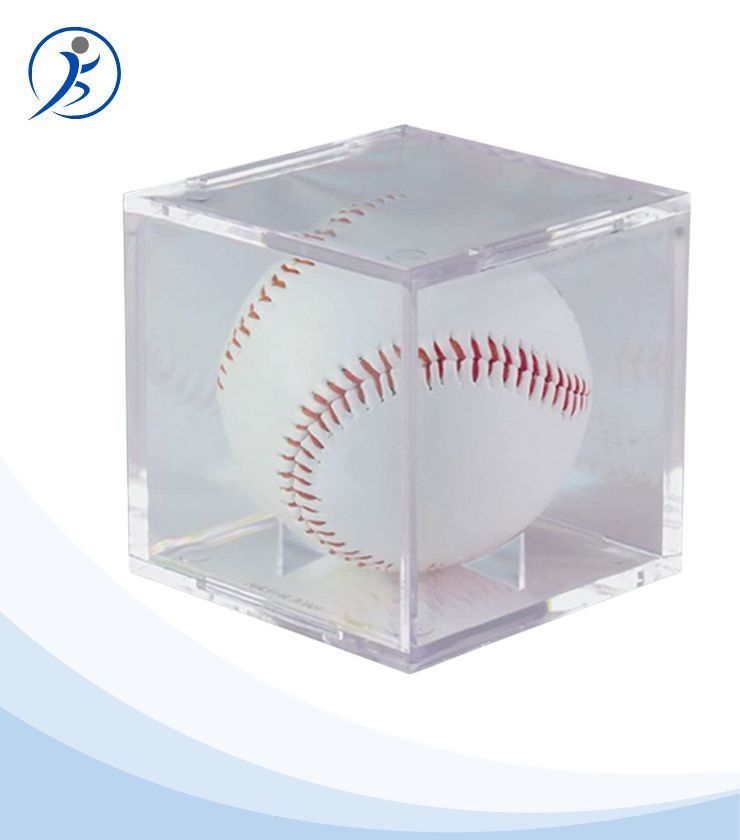
Bottom Line
The Ultra Pro UV Protected Square Baseball Holder is a clear acrylic case that is perfect for displaying a single baseball. It features UV protection to keep the ball from fading due to exposure to sunlight. This display case has a snap-on closure that ensures the ball stays in place, and it also comes with a stand for easy placement on a desk or shelf.
Pros
- UV protection to prevent the ball from fading
- Sturdy acrylic material
- Comes with a stand for easy display
Cons
- May not fit other types of balls
Bottom Line
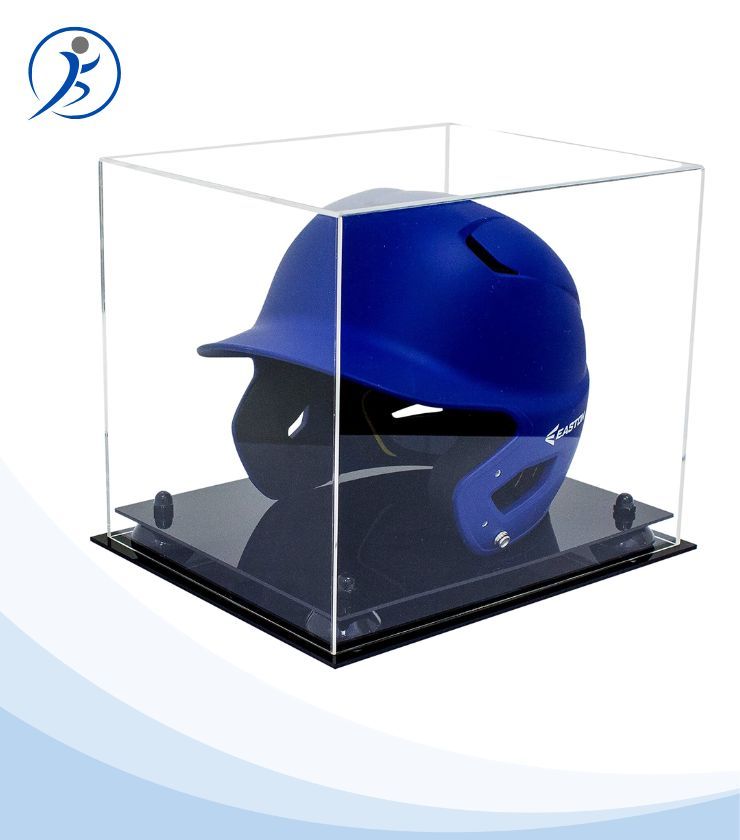
The Better Display Cases Deluxe Clear Acrylic Baseball Batting Helmet Display Case is a sleek and modern option that can hold a full-size baseball helmet. The case is made from clear acrylic and features a black acrylic base. The lid is removable for easy access to the helmet. This display case also includes a custom-fitted protective foam insert to keep the helmet in place.
Pros
- Can hold a full-size baseball helmet
- Removable lid for easy access
- Protective foam insert included
Cons
- Only suitable for displaying helmets
Perfect Cases Wall Mounted Baseball Display Case
Shop Now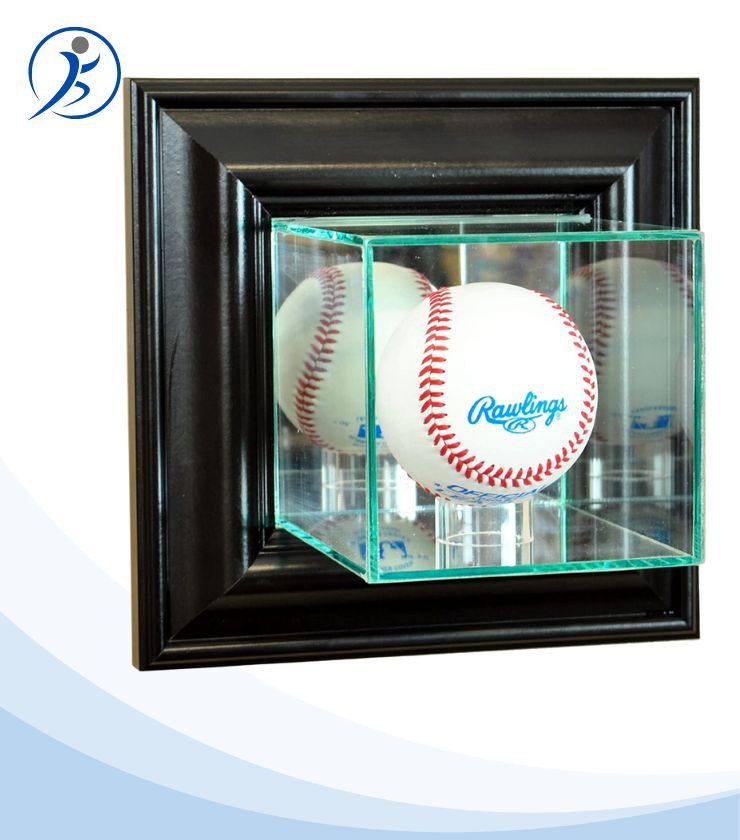
Bottom Line
The Perfect Cases Wall Mounted Baseball Display Case is a wooden case that can hold a single baseball. It has a hinged, UV-protected glass door that allows for easy access to the ball. The case is designed to be mounted on a wall, and it includes a hanger for easy installation. The case also features a black felt lining that enhances the display of the baseball.
Pros
- UV-protected glass door
- Wall-mountable design
- Black felt lining
Cons
- Can only hold one baseball
DECOMIL 3x5 Flag Display Case with Certificate & Document Holder
Shop Now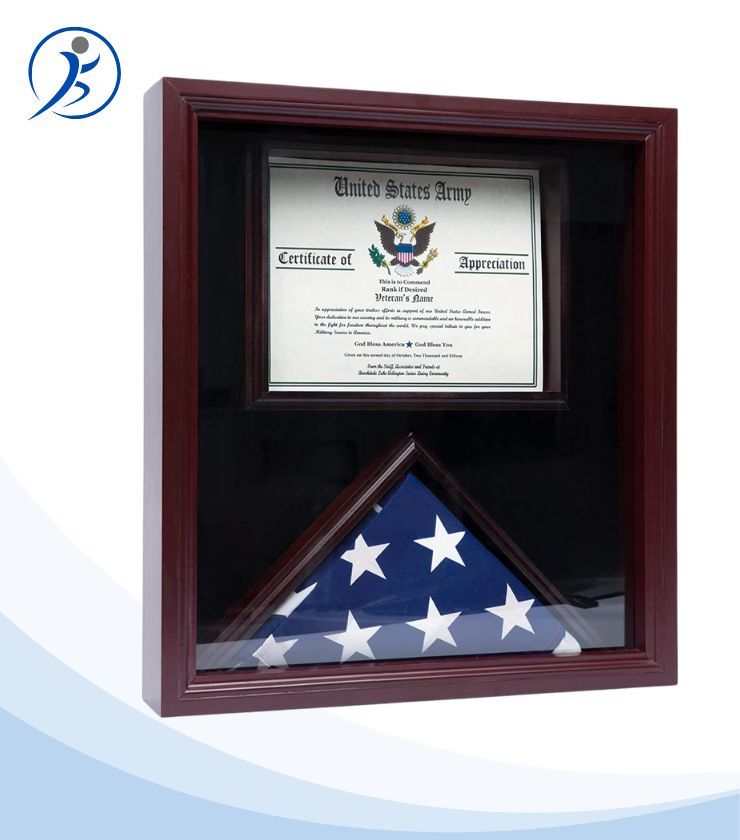
Bottom Line
The DECOMIL 3x5 Flag Display Case with Certificate & Document Holder is a versatile option that can hold a folded flag as well as a baseball. The case is made from high-quality wood and features a glass front that provides a clear view of the contents. It also has a certificate and document holder at the bottom of the case. This display case can be placed on a table or desk or hung on a wall.
Pros
- Can hold a folded flag and a baseball
- Certificate and document holder included
- Can be placed on a table or hung on a wall
Cons
- May be too large to display just a baseball
Baseball Display Case FAQs
Q: How do you display baseballs?
Answer: There are several ways to display baseballs, depending on personal preference and available space. Here are some popular options:
- Baseball display case: This is a classic and elegant way to display baseballs. The case can be made of acrylic, glass, or wood, and can be mounted on a wall or displayed on a shelf.
- Baseball cube: A baseball cube is a clear plastic case that holds one baseball. These cases can be stacked or arranged in various patterns for an interesting display.
- Baseball bat display rack: A baseball bat display rack can be used to display multiple baseballs. The baseballs are placed on top of the rack, and the bats provide a decorative and functional base.
- Shadowbox: A shadow box is a frame with a depth that allows for the display of three-dimensional objects. Baseballs can be arranged in a shadow box along with other memorabilia, such as tickets or photos, for a personalized display.
Q: What is another name for a display case?
Answer: Another name for a display case is a showcase.
Q: How to make a baseball display case for a home plate?
Q: What is a glass display case called?
Answer: A glass display case, often referred to as a "showcase" or "display cabinet," is a piece of furniture with glass panels used to exhibit items securely while allowing them to be viewed.
These cases are commonly found in museums, retail stores, and homes. They come in various styles and sizes, making them ideal for displaying collectibles, merchandise, or valuable items while protecting them from dust and damage.
Q: What are 5 pieces of equipment used in baseball?
Answer: Here are 5 pieces of equipment used in baseball:
- Bat - A baseball bat is used by the batter to hit the ball thrown by the pitcher. Bats come in a variety of sizes and materials to suit different players and preferences.
- Glove - A baseball glove is worn by fielders to catch and handle the ball. Gloves come in different sizes and shapes, with specialized designs for different fielding positions.
- Ball - A baseball is a ball used in the game, made of cork or rubber and wrapped in leather. Baseballs are designed to be thrown, caught, and hit during gameplay.
- Helmet - A baseball helmet is worn by batters and runners to protect the head from injury. Helmets have a hard outer shell and a padded interior to absorb impact.
- Cleats - Baseball cleats are specialized shoes with cleats on the bottom for traction on the field. Cleats come in a variety of styles and materials for different playing surfaces and conditions.
Q: What material is baseball home plate?
Answer: The home plate in baseball is traditionally made from a hard, durable rubber. This material is chosen because it can withstand repeated impacts from pitches, bats, and cleats while maintaining its shape and integrity. The rubber used is typically white to make it easily visible to players and umpires.
The plate itself is a five-sided slab, measuring 17 inches wide, with two parallel sides and a pointed rear edge, resembling a house shape. This combination of shape and material ensures that the home plate remains a reliable reference point for both hitters and pitchers throughout the game.
Q: What is the best material for a baseball display case?
Answer: What Is the Best Material for a Baseball Display Case?
If you’re displaying a valuable, signed, or collectible baseball, UV-protected acrylic is generally the best all-around material for a baseball display case. It offers an excellent combination of clarity, durability, lightweight construction, safety, and protection from harmful UV light.
That said, glass still has advantages, particularly if you want a premium, furniture-style display and maximum scratch resistance.
Here’s how the main materials compare:
| Material | Advantages | Disadvantages | Best For |
|---|---|---|---|
| UV-protected acrylic | Lightweight, shatter-resistant, clear, UV protection available | Scratches more easily than glass | Most collectors |
| UV-protected glass | Premium appearance, excellent scratch resistance, rigid | Heavy, more expensive, can break | High-end permanent displays |
| Standard glass | Clear and scratch-resistant | Limited UV protection unless specially treated | Decorative displays |
| Cheap plastic | Inexpensive and lightweight | Can scratch, cloud, or yellow | Short-term/budget displays |
Why Acrylic Is Usually the Best Choice
Acrylic, sometimes called Plexiglas or PMMA, has become a popular choice for sports memorabilia displays because it is considerably lighter than glass and much more resistant to impact. That makes it particularly practical for wall-mounted baseball cases or homes where the case could be accidentally knocked.
Another important advantage is that UV-protective acrylic is readily available. UV exposure can contribute to fading of signatures, printed materials, and other memorabilia over time, so the UV specification is often more important than simply choosing acrylic or glass.
For an autographed baseball, I would therefore look for high-quality acrylic with a clearly stated UV-protection rating, rather than simply buying the cheapest clear plastic case.
What About Glass?
Glass can be an excellent choice if appearance and scratch resistance are your priorities. It has a rigid, premium feel and is less susceptible to everyday surface scratches than acrylic.
The problem is weight and breakage. A glass display case can be considerably heavier, which matters if you are mounting a large case on a wall. Standard glass also shouldn't automatically be assumed to provide adequate UV protection. If you're displaying valuable memorabilia, look for glass specifically designed with UV-filtering properties.
Don't Confuse Acrylic With Cheap Plastic
This is an important distinction when shopping.
Not every clear plastic baseball case is made from quality acrylic. Low-cost plastics can scratch easily, become cloudy, or degrade with prolonged exposure to light. A quality acrylic case should provide good optical clarity and a more durable viewing surface.
If you're protecting an expensive signed baseball, saving a few dollars on the case probably isn't worth compromising the protection of the collectible.
What Should You Look For?
For most baseball collectors, I would prioritize these features in this order:
- UV protection – particularly important for autographed or valuable baseballs.
- High-quality acrylic or UV-protective glass – avoid flimsy, low-grade plastic.
- Good optical clarity – you should be able to clearly see the baseball and signature.
- Secure baseball holder – the ball should remain stable rather than rolling around inside the case.
- Proper ventilation and protection from dust – the case should create a clean barrier around the collectible.
- Solid construction – especially important for wall-mounted cases.
- Scratch resistance – more important if the case will be frequently handled or cleaned.
Our Recommendation
For the average collector, UV-protected acrylic is the best material for a baseball display case. It provides the best balance of protection, visibility, weight, safety, and price.
If you're displaying a particularly valuable collection in a dedicated office, trophy room, or museum-style setting, UV-protective glass can be worth considering for its premium appearance and superior scratch resistance.
The key takeaway is this: don't choose a baseball display case based on material alone. Look at the UV protection, construction quality, clarity, and how the case will be used.
For a signed baseball that you want to preserve for many years, I'd take a well-made UV-protected acrylic case over a cheap glass case every time.